The cultural landscape of music is witnessing an extraordinary phenomenon as the genre once relegated to the dusty shelves of music history stages a powerful comeback. Rock music, which many industry pundits had written off as a relic of the past, is experiencing a vibrant renaissance. The driving force behind this resurgence lies not with the generation that grew up on the genre but with the digital natives of Generation Z . This demographic is reshaping what it means to be a rock fan, discovering and championing a genre that predates their existence. This revival represents a seismic shift in music consumption as young listeners reject modern formulaic pop and embrace the raw, authentic, and timeless appeal of rock and roll .
The Digital Discovery Platform
Social media has emerged as the primary engine for the Gen Z-led rock revival. Platforms like TikTok and Instagram Reels function as digital time machines, exposing younger audiences to rock anthems from past decades . The algorithm-driven nature of these platforms favors emotionally intense, high-energy soundtracks, making rock music particularly well-suited to short-form video content . Viral reels featuring classic tracks like “Bohemian Rhapsody,” “Dreams,” or “Don’t Stop Believin” have introduced these songs to listeners who might never have sought them out otherwise . This phenomenon has created a powerful feedback loop where older catalog music begins charting again on streaming platforms after going viral on social media .
Interestingly, Gen Z’s relationship with streaming is undergoing a transformation. Research indicates that streaming penetration among 16 to 19-year-olds is growing more slowly than in other age groups, suggesting a shift in how the youngest audiences connect with music . Instead of discovering songs primarily through streaming services like Spotify, Gen Z typically finds tracks from short-form content, with 40% citing TikTok as their second most used platform for music discovery . They have become increasingly comfortable letting algorithms serve up “more of what they like,” rather than actively searching for it themselves .
The numbers paint a compelling picture of this digital-driven revival. Spotify data reveals that Gen Z listeners increased their rock consumption by 9% compared to July 2024 and a remarkable 21% compared to July 2023 . In Brazil, TikTok posts with the hashtag #rock surged by 23% in the last six months of 2025 compared to the previous period, totaling nearly three billion views on the platform . A Vevo study found that an astonishing 65% of Gen Z respondents report feeling nostalgic for eras they were never alive to experience, a phenomenon the report terms “borrowed nostalgia” .
The Authenticity Movement
A crucial driver of this revival is Gen Z’s yearning for authenticity in their music consumption. In an age dominated by highly produced and auto-tuned tracks, classic rock offers something distinctly different: raw emotion, complex instrumentation, and lyrics that stand the test of time . As music executive Sean Heydorn suggests, the rock revival may represent a response to the algorithm-driven homogeneity that has characterized much of modern music consumption .
Young listeners increasingly view classic rock as a statement against mainstream trends, embracing what they perceive as a more authentic musical expression. Moses Koul, a guitarist who has been playing rock and metal for nearly a decade, articulates this sentiment: “The 70s and 80s music is just different from the instant-gratification-coded music of the 2020s. People are probably bored of electronic, rap-influenced sounds with overtly on-the-nose lyrics” . For Gen Z, classic rock represents a more genuine form of artistic expression in contrast to the manufactured sounds of contemporary pop.
Valéria Brandini, an anthropologist specializing in market trends, explains this phenomenon by noting that Gen Z seeks a more authentic identity and lifestyle, which they find embodied in rock music. “It’s an identity that would be, perhaps, more authentic, wilder, more aggressive,” she explains . This search for authenticity extends beyond mere listening habits to encompass a broader cultural identification with rock’s rebellious spirit and countercultural legacy.
The Vinyl Revival and Physical Media
In perhaps the most surprising manifestation of the Gen Z rock renaissance, digital natives are embracing physical music formats. Despite being the most technologically connected generation in history, Gen Z is driving a remarkable resurgence of vinyl records, cassettes, and even CDs . This represents a counterintuitive rejection of purely digital consumption in favor of tangible, collectible media.
Market research reveals that 60% of Gen Z respondents report buying vinyl records, with nearly two-thirds having purchased one in the past year. Remarkably, 28% of Gen Z vinyl buyers don’t even own a turntable . The pattern repeats with cassettes, with 42% having purchased one in the past year, although half are unable to play them . These statistics demonstrate that for many young consumers, the value of physical media extends far beyond functional listening to encompass nostalgia, collectability, and the tactile experience of owning music.
The parent-child dynamic plays a significant role in this physical media revival and the broader rock renaissance. Father-daughter bands are emerging across the musical landscape, with teenage girls performing classic rock covers alongside their musician fathers . Megan Rakesh, a 14-year-old who fronts Meg and the Miracles with her father, explains this connection beautifully: “I wouldn’t say that music has to necessarily be before my time in order for me to love and understand it… those days for a lot of the artists at that time, music was all that they had. So they put their heart and soul into their art. Which is why to this day people still love and respect music from those days—passion is something that never lies” .
This intergenerational transmission of musical taste is creating a new cultural dynamic. In Bangalore, Mallikarjun K has been performing with his 11-year-old daughter Nakshatra in their band Nikoo and the Dad. The family band represents a growing trend where parents introduce their children to the music of their youth, creating a cultural bridge that spans generations . As the twins Tara and Tisha from Bengaluru explain, “Growing up, our dad played a ton of classic rock around the house, so it’s something we’ve always loved. Classic rock is just in our blood now” .
The Festival Effect
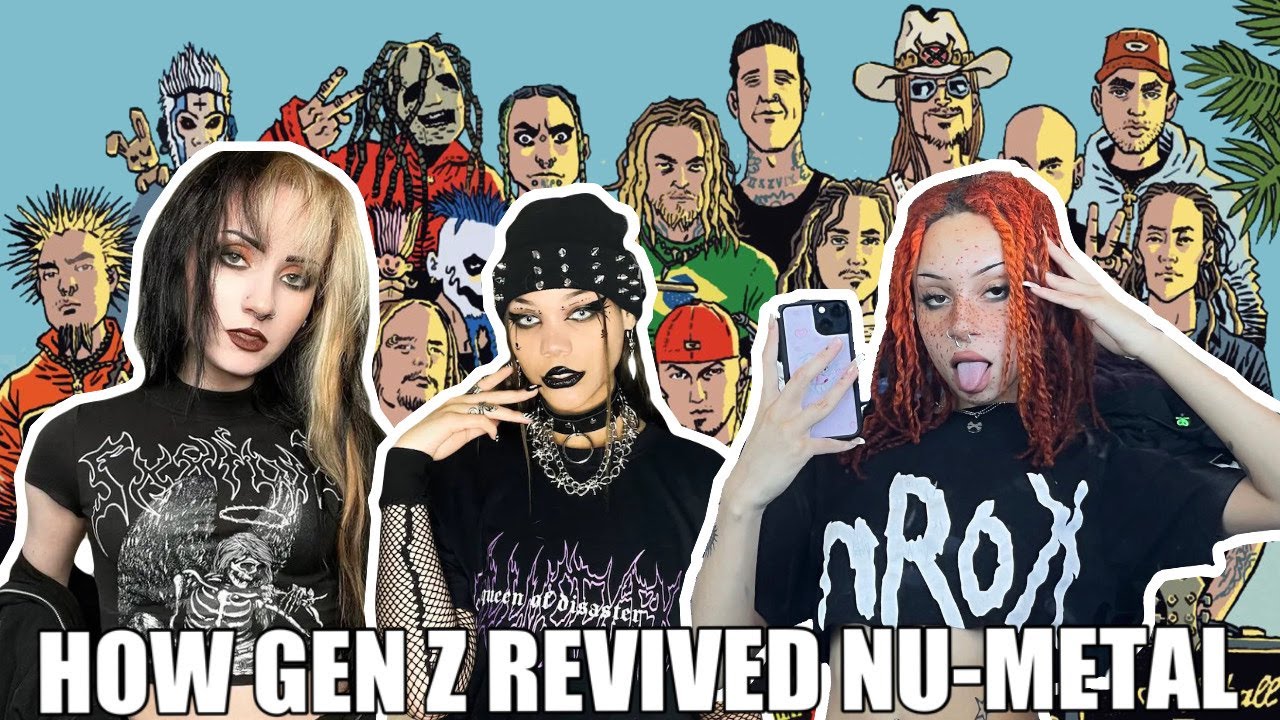
Live performances and festival culture are playing a crucial role in solidifying Gen Z’s connection to rock music. Despite their reputation as passive listeners who consume music as background content, Gen Z remains enthusiastic about live concert experiences. They are the biggest spenders on festivals, and Gen Z women in the United States attend more concerts than men .
Massive events like the CMA Fest in Nashville have embraced rock programming, demonstrating the growing crossover appeal of the genre. The “rocknite” concept at the festival featured 12 bands performing over 12 hours, ranging from punk and post-punk to rap-rock and modern alternative . As Valéria Brandini explains, “The people don’t need to like a specific song or band. They go because they want to have fun with their group and have the festival experience. There, they end up having contact, getting to know a certain band, and becoming fans” .
However, the festival landscape has shifted dramatically from the rock-dominated events of previous decades. Analysis of lineups reveals that rock’s presence has diminished at major festivals. In the first edition of Rock in Rio, Queen performed two shows alongside Iron Maiden, Scorpions, Ozzy Osbourne, AC/DC, and Yes. In contrast, the 2025 edition featured five days of programming with over 200 attractions but fewer than 20 rock artists . This scarcity may paradoxically increase the appeal of rock performances, as they become more distinctive within increasingly diverse festival lineups.
The 2025 data shows the scope of this revival: bands like Sleep Token and Turnstile have become central to the genre’s mainstream dominance . Established artists like Radiohead demonstrated cross-generational appeal, with their song “Creep” accumulating an astonishing 6.7 billion new streams, outranking most new releases. Their lesser-known track “Let Down” surged from 150 million streams at the beginning of 2025 to 600 million by year’s end .
Genre Hybridization and the New Rock Sound
The 2025-2026 rock revival is characterized not by a simple return to the sounds of the past but by a creative fusion with other genres and innovative production techniques. Modern rock increasingly incorporates hip-hop production techniques, electronic sound design, and pop songwriting structures, making it more accessible to listeners who grew up on streaming playlists . This evolution reflects a broader cultural shift toward genre fluidity, where traditional boundaries between musical categories are blurring.
Artists like Mod Sun exemplify this genre-blending approach, moving between post-hardcore, rap-rock, and pop-rock collaborations. His relocation to Nashville reflects the increasing integration of rock with country music traditions, as the city once known primarily for country embraces a broader musical identity . This cross-pollination is evident in modern artists who combine Western aesthetics with alt-rock and indie pop, creating sounds that defy easy categorization.
AI and technology are also playing a role in this evolution, with AI-assisted production tools allowing musicians to experiment with arrangements and sounds more efficiently than ever before . However, despite embracing digital production tools, the core of the revival remains fundamentally human and instrument-driven. As one young musician observed, “people are craving authenticity, real instruments, real bridges, and genuinely heartfelt music” .
Classical Rock Icons and Their New Audience
A defining characteristic of the Gen Z rock revival is the rediscovery and celebration of classic rock icons. Bands like Linkin Park, Arctic Monkeys, Guns N’ Roses, and Red Hot Chili Peppers rank among the top five most listened-to rock artists by Gen Z in Brazil . This preference for established artists suggests that while the genre is experiencing renewed popularity, young listeners are gravitating toward tried-and-true bands rather than discovering new rock acts.
The effect extends across the globe. In India, classic rock acts are enjoying unprecedented popularity, with international artists like Coldplay, Sting, Bon Jovi, Bryan Adams, and the surviving members of classic bands now performing in tier-2 cities like Jaipur, Shillong, Bhopal, Pune, and Chandigarh . This growing Indian market represents a significant expansion of rock’s global footprint, as younger audiences in emerging economies embrace the genre.
The explanation for this preference lies partly in the “borrowed nostalgia” phenomenon. Vevo’s research indicates that music videos trigger nostalgia more powerfully than any other music format, with 68% of respondents identifying them as the strongest nostalgic trigger . For Gen Z, who did not experience the eras when these songs were first released, music videos and streaming content create a sense of connection to a past they never lived through. One in three Gen Z respondents went further, stating they feel they were “born in the wrong generation” .
The Future of the Revival
Industry analysts and cultural observers project continued growth for rock music in the coming years, driven by evolving Gen Z listening habits. The festival circuit shows signs of increasing diversification, with more cross-genre events that give rock bands exposure to new audiences. Streaming platforms are adapting their algorithms and playlists to accommodate the growing appetite for rock content, creating more opportunities for both classic and contemporary rock artists.
However, challenges remain. The passive, algorithm-driven listening habits of Gen Z can sometimes limit the depth of engagement with artists and genres. As one industry analysis notes, “With passive, algorithm-driven discovery, fans simply aren’t building the same deep connections with the music they listen to. That’s tough news for artists hoping to grow a loyal base of superfans that will support an artist’s career through thick and thin” . Additionally, the nostalgia-driven nature of the revival raises questions about the long-term prospects for new rock artists. “If nostalgia continues to thrive, new artists may struggle to break through, despite social media’s ability to make tracks go viral” .
The future may lie in an ongoing balance between honoring rock’s heritage and supporting contemporary innovation. Gen Z’s approach to classic rock embracing it as timeless rather than retro offers hope that the genre can maintain relevance while continuing to evolve. As Mod Sun wisely observes, “I don’t expect more when I’ve already got more than what I expected” . This attitude suggests that rock’s revival may represent something deeper than a fleeting trend: a genuine cultural reconnection with musical authenticity.
Conclusion

The Gen Z revival of rock music represents one of the most significant cultural shifts in contemporary music. Through social media discovery, a rejection of formulaic pop, and an embrace of physical media, younger listeners are breathing new life into a genre that had been marginalized in mainstream music discourse. Whether through the “borrowed nostalgia” that allows them to connect with decades-old music videos, the emotional authenticity they find in classic rock, or the countercultural statement represented by championing their parents’ music, Gen Z is fundamentally reshaping rock’s cultural position.
As the revival continues to evolve, the challenge will be to sustain this momentum while creating space for new rock artists. The dream of the band, as one observer puts it, still exists—it’s just being reimagined for a digital age . Rock is no longer competing with pop or hip-hop but blending with them, creating a new musical landscape where guitar-driven music coexists with electronic production, and where young listeners discover the best of the past while creating the sounds of the future.
The revival demonstrates that great music transcends generational boundaries. As long as there are guitar riffs that stir the soul, drum solos that quicken the pulse, and anthems that make you want to scream the lyrics at the top of your lungs, rock will continue to find new audiences . The rediscovery of rock by a generation born decades after its golden era confirms that the genre’s appeal is not merely nostalgic but fundamental—built on a foundation of raw emotion, authentic expression, and the timeless power of great music.