The summer music festival season is a time for celebration, community, and shared musical experiences. However, the 2026 edition of Lollapalooza in Chicago’s Grant Park will be remembered for a particularly unsavory reason that has sparked widespread debate about concert etiquette and hygiene. While the festival featured performances from major artists like Charli XCX, Lorde, The xx, and The Smashing Pumpkins, the most talked-about moment involved a clear plastic bag of urine being passed overhead through the crowd inside a cardboard box . This incident, which quickly went viral on social media, has prompted a crucial conversation about festival behavior, bathroom infrastructure, and public health at large-scale events.
The Viral Incident That Shocked Festival-Goers
Videos circulating across Instagram and other platforms showed a cardboard box containing a plastic bag filled with yellowish liquid being passed hand-over-hand through a densely packed audience . The footage captured confused and disgusted reactions from attendees, with some laughing while others booed and screamed in disbelief . The Instagram account @edmtrain shared a clip with the caption “Passing a bag of PEE through the crowd is NOT okay,” while @windycityraves described the behavior as “DIABOLICAL” .
The context surrounding this incident is important to understand. The 2026 Lollapalooza took place from July 30 to August 2, drawing tens of thousands of music fans to Grant Park . The festival featured an impressive lineup including Charli XCX, Lorde, Olivia Dean, The Smashing Pumpkins, Tate McRae, The xx, Wolf Alice, Wet Leg, Little Simz, and Yungblud . Despite the star-studded roster and memorable performances, the urine bag became one of the event’s most discussed moments, overshadowing much of the positive musical news.
The video sparked immediate backlash across social media platforms. One commenter expressed disbelief, asking: “Do people just not understand portal potties? Or is there a major logistics nightmare that is keeping people from accessing the bathrooms? Is it the crowds not letting people out?” . Another viewer bluntly stated: “Be an adult, be respectful and go to the porta potty. No artist is worth that” .
Understanding the Rationale Behind Such Behavior
To comprehend why someone would resort to such extreme measures, we must consider the festival environment. The front rows at major performances are highly coveted positions that fans often wait hours to secure. Once they’ve claimed a prime viewing spot, leaving means potentially losing it forever. The density of the crowd can make exiting and re-entering difficult, if not impossible, creating what some perceive as an impossible choice between comfort and a superior concert experience.
Some social media commenters attempted to rationalize the behavior by questioning whether logistical failures contributed to the incident. One user asked whether “a major logistics nightmare” was preventing people from accessing bathrooms . Others pointed to the difficulty of navigating through packed crowds just to reach portable toilet facilities, suggesting that the challenge of moving through thousands of tightly-packed bodies might have motivated the individual to create an improvised solution rather than forfeit their position.
However, most observers rejected these justifications outright. One long-time festival attendee commented: “I have been to countless festivals over the last 20 years and have never once relieved myself anywhere but the bathroom. A couple of close calls, sure but I can’t even imagine” . This sentiment was echoed by many who argued that personal responsibility and basic respect for fellow attendees should always take precedence over convenience.
The Broader Problem of Festival Etiquette
The Lollapalooza incident is not an isolated case but part of a concerning trend of deteriorating behavior at live music events. In recent months, several high-profile artists have publicly addressed hygiene issues at their concerts. Singer Noah Kahan previously joked that concertgoers should wear nappies after reports of fans relieving themselves during his performances . Olivia Rodrigo also commented on reports that some fans had worn nappies while waiting for front row positions at her shows .
Perhaps the most extreme example involves a Morgan Wallen fan who allegedly urinated on a family of four rather than leave their spot to use the bathroom mid-set . Additionally, a recent gig by New Zealand metal band Devilskin went viral after reportedly being ruined by “a huge mess of shit, just completely spread all in the mosh pit” . These incidents highlight a growing problem that goes beyond mere inconvenience to become a genuine public health concern.
The debate extends beyond individual behavior to broader questions about festival management and infrastructure. Some observers have questioned whether event organizers bear some responsibility for creating conditions that lead to such incidents. While most agree that individual accountability is paramount, there are legitimate concerns about whether adequate bathroom facilities are being provided at these massive gatherings.
Health and Safety Implications
The public health implications of such behavior are significant and should not be underestimated. Public health experts at Flinders University recently conducted a global study examining health emergencies at 19 multi-day events attended mostly by young people, including music festivals . The findings were striking: nearly 70% of reported emergencies at these events were infectious disease outbreaks, with influenza, measles, and meningococcal at the top of the list. Additionally, food-borne illnesses such as hepatitis A accounted for more than 20% of the emergencies, suggesting poor food handling practices were common .
Flinders University epidemiologist and lead study author Associate Professor Jacqueline Stephens explained: “Young people love the energy and freedom of festivals, but these environments do carry health risks. Close social interactions, shared accommodation, and sometimes risky behaviors create the perfect storm for disease transmission” . The study recommended simple measures like vaccination, good hygiene, and safe food practices to significantly reduce health risks.
The urine bag incident presents multiple health concerns. The potential for leakage or rupture could expose thousands of attendees to biological waste. Even contained in a plastic bag, the transmission of pathogens through contact with contaminated surfaces or droplets presents a genuine risk. Festival-goers who may have touched the cardboard box or bag, even inadvertently, could potentially be exposed to harmful bacteria or viruses.
Proper hand hygiene becomes critical in such situations. Public health researcher Dr. Josh Trigg emphasized the importance of individual responsibility, stating: “Public health isn’t just about big systems – it’s about individual choices that protect you and the people around you” . Simple measures like washing hands regularly with soap and water and sanitizing before eating can make a significant difference in preventing the spread of illness.
The Chartered Institute of Environmental Health (CIEH) has issued advice to food vendors and festival organizers following a separate food poisoning outbreak at Truck Festival in Oxfordshire, where dozens of people fell ill after eating from a single stall . CIEH member Hannah Ward noted: “Cases such as this highlight the critical importance of maintaining the highest standards of food hygiene and temperature control at festivals and other large-scale events” . She emphasized that festival environments present additional challenges, including hot weather, temporary kitchen facilities, high customer volumes, and limited storage and operational space.
Infrastructure and Solutions

The Lollapalooza incident has reignited discussions about festival infrastructure and whether current provisions are adequate for the massive crowds these events attract. While portable toilets are standard at most festivals, the demand often exceeds supply, leading to long queues and unpleasant conditions. Some fans have questioned whether the difficulty of accessing bathrooms may have contributed to the urine bag incident.
Innovative solutions are emerging to address these challenges. British startup Peequal has developed women’s urinals that are 2.7 times faster to use than traditional portable toilets . The Bristol-based company recently raised £925,000 to expand its operations across Europe, the United States, and Australia. The new design features a flatpack construction that allows 56 urinals to fit on a single lorry, compared to approximately 20 traditional portable toilets, significantly reducing transportation costs and carbon footprint .
Peequal’s co-founders, Amber Probyn and Hazel McShane, estimate their urinals have been used 1.25 million times since their first event in 2022 . The company has already deployed units at major events including Glastonbury and the London Marathon . Users have described the urinals as “amazing,” “innovative,” and “game-changing” . The founders estimate that women spend nearly 10 million hours queuing at festivals each summer, describing this as a “Female Fun Tax” that should not exist .
For individual festival-goers, portable solutions are also available. Products like The Whizzer, a handheld travel urinal that appeared on BBC’s Dragons’ Den, offer a discreet option for emergencies . Made from soft, durable silicone, the device is designed for situations where traditional toilets are unavailable. One reviewer described it as “an absolute game-changer for festivals and van life” . However, while such products offer a more hygienic alternative to improvised containers, they are intended for use in private, not for passing through crowded audiences.
Social Media’s Role in Amplifying the Controversy
The rapid spread of the Lollapalooza urine bag video across social media platforms demonstrates the power of viral content to shape public discourse. Within hours of the incident, videos had been viewed millions of times, sparking thousands of comments and reactions . The speed and reach of online sharing transformed a single individual’s decision into a global conversation about festival etiquette.
However, the amplification effect of social media also raises questions about the broader impact on events like Lollapalooza. Some festival organizers and attendees have expressed concern that viral moments, particularly negative ones, can overshadow the positive aspects of these gatherings. The controversy generated significant negative press, with one commenter noting: “Reason number 847 why I avoid this festival” .
Yet the viral nature of the controversy has also served a useful purpose by highlighting issues that might otherwise remain unaddressed. The widespread condemnation of the behavior has reinforced social norms about acceptable conduct at public events. Commenters overwhelmingly expressed disgust and disapproval, signaling that such behavior is not tolerated by the majority of festival attendees. As one viewer stated: “At almost 39 years old I think it’s safe to use the term ‘in my day’… well, in my day we used to just fight the crowd to go to the bathroom and then find our way back like normal people. This is nasty AF” .
The conversation has also focused attention on the importance of proper festival planning and infrastructure. Organizers may face increased pressure to ensure adequate bathroom facilities and clear communication about their locations. Some have suggested that designated “crowd exits” could be established to allow attendees to leave and re-enter the front section without completely losing their spot.
Steps to Reclaim Festival Etiquette
Addressing the problem of declining festival etiquette requires a multi-faceted approach involving organizers, attendees, and broader cultural shifts. Based on the current situation and expert recommendations, several key strategies emerge.
A. For Festival Organizers:
-
Provide adequate bathroom facilities with a reasonable ratio of units to attendees
-
Ensure clear signage and easy access to toilet facilities
-
Consider innovative solutions like Peequal urinals to reduce queue times
-
Implement clear communication about event etiquette and hygiene expectations
-
Employ crowd management strategies to facilitate movement throughout the venue
B. For Festival Attendees:
-
Plan ahead by using facilities before securing a prime viewing spot
-
Consider bringing a friend who can help hold your spot while you use the bathroom
-
Respect fellow attendees by not compromising their health or comfort
-
Report inappropriate behavior to festival security or staff
-
Practice good personal hygiene and carry hand sanitizer
C. For Public Health Authorities:
-
Work with event organizers to establish health and safety protocols
-
Provide guidance on vaccination recommendations for attendees
-
Monitor and respond to potential disease outbreaks at large gatherings
-
Educate the public about the health risks associated with festivals
D. For the Broader Culture:
-
Normalize conversations about event hygiene without stigmatizing those who need to use facilities
-
Celebrate positive examples of good festival etiquette
-
Use viral moments as teaching opportunities rather than merely entertainment
-
Encourage artists and influencers to model and promote respectful behavior
The Importance of Personal Responsibility
While festival organizers bear some responsibility for creating a safe and comfortable environment, the ultimate accountability rests with individual attendees. The decision to create and pass a bag of urine through a crowd reflects a fundamental disregard for the health, comfort, and dignity of thousands of fellow festival-goers.
Personal responsibility extends beyond avoiding extreme behavior to encompass basic considerations for others. This includes simple actions like using bathroom facilities appropriately, disposing of waste properly, and maintaining reasonable personal hygiene. Dr. Trigg emphasized this point, noting that individual choices protect both the person making them and the people around them .
The incident also raises questions about the broader culture surrounding these events. Some observers have suggested that the “anything goes” atmosphere sometimes associated with music festivals may contribute to a sense that normal rules of behavior don’t apply. However, the widespread negative reaction to the urine bag suggests that most attendees reject this notion entirely. As one commenter noted: “Let’s not normalize this, oh my god” .
Conclusion
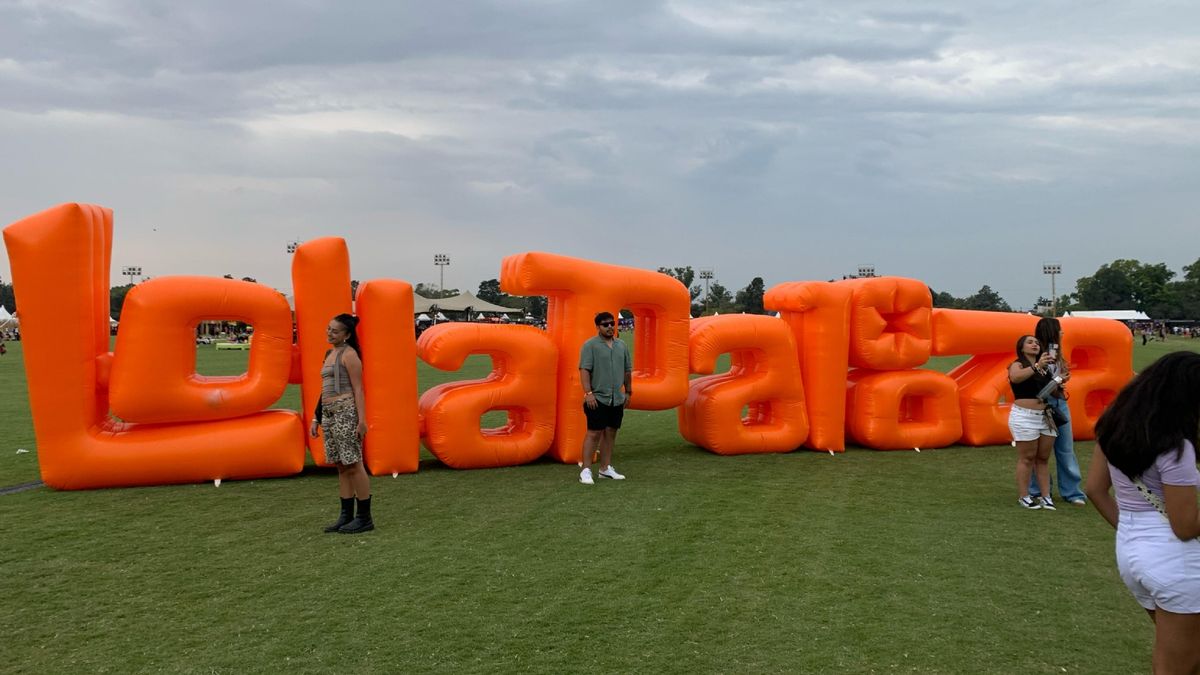
The Lollapalooza urine bag controversy has forced a necessary conversation about festival etiquette, hygiene, and infrastructure. While the incident is undoubtedly extreme and isolated, it reflects broader challenges facing large-scale events. The widespread condemnation of the behavior suggests that most festival-goers recognize the importance of basic respect for others.
Moving forward, a collaborative approach is essential. Festival organizers must continue to improve infrastructure and communication about available facilities. Attendees must maintain personal responsibility and consider the impact of their actions on others. Public health authorities should work with event organizers to ensure appropriate standards are maintained. And the broader culture should reinforce positive norms while appropriately condemning unacceptable behavior.
The music festival experience offers something unique and precious: the opportunity to share in the joy of live performance with thousands of fellow enthusiasts. Preserving that experience requires commitment from everyone involved. The Lollapalooza incident serves as a wake-up call about what happens when that commitment breaks down. By addressing the underlying issues exposed by this controversy, we can work toward ensuring that festivals remain safe, enjoyable, and memorable for all the right reasons.