The entertainment industry is witnessing a seismic shift as virtual concert technology attracts unprecedented investment, reshaping how fans experience live music and how artists generate revenue. This digital transformation is not merely a pandemic-era adaptation but a permanent evolution of the live entertainment ecosystem. With the virtual concert platform market projected to grow from $93.47 billion in 2025 to an impressive $136.14 billion by 2030, the financial community has taken notice . This comprehensive analysis explores the dynamics of this investment surge, the technologies driving it, and the implications for artists, fans, and the broader entertainment landscape.
The Market Landscape: A Billion-Dollar Industry Takes Shape
Explosive Growth Projections
Recent market analyses reveal that the virtual concert platform sector is experiencing remarkable growth. The market demonstrated a compound annual growth rate of 8.0% in 2026, expanding from $93.47 billion to $100.96 billion . Forecasts suggest this momentum will continue, with projections indicating the market will reach $136.14 billion by 2030 at a CAGR of 7.8% . These figures represent more than just numbers they reflect fundamental changes in consumer behavior and technological adoption.
The broader metaverse in entertainment market presents even more dramatic growth trajectories. This sector is projected to increase from $35.27 billion in 2026 to $89.81 billion by 2030, achieving a CAGR of 26.3% . This explosive expansion is fueled by increased consumer VR adoption, the rise of virtual live events, creator-led virtual spaces, and new monetization models . The integration of entertainment IPs, AI-driven virtual experiences, and spatial computing technologies continues to accelerate these trends .
Regional Market Dynamics
North America currently maintains the largest market share in the virtual concert platform sector, driven by a strong presence of major technology companies, gaming platforms, and entertainment providers . The region benefits from advanced digital infrastructure, high internet penetration, and widespread adoption of connected devices . Companies such as Meta Platforms, Inc., Microsoft Corporation, Apple Inc., and NVIDIA Corporation continue investing heavily in immersive hardware, virtual environments, and AI-powered avatars to strengthen their entertainment capabilities .
However, the Asia-Pacific region is emerging as the fastest-growing market, with particularly strong momentum in China, Japan, and South Korea . Brazil is experiencing a surge in live virtual concerts, with artists embracing the metaverse to connect with fans in innovative ways . The BRICS countries demonstrate significant growth potential driven by increasing internet penetration, technological advancements, and rising disposable incomes .
Key Drivers of Investment Surge
A. Growing Demand for Live Entertainment
The increasing demand for live entertainment significantly boosts the virtual concert platform market. Live entertainment refers to performances presented directly to audiences in real-time, and the growing desire for authentic, emotional experiences drives this trend . Consumers increasingly seek unique, immersive experiences that digital formats often fail to replicate fully. Virtual concert platforms address this demand by allowing artists to perform globally in real-time, offering interactive and engaging experiences with features such as virtual reality (VR), live streaming, avatar customization, and live chat .
Evidence of this trend is substantial. In August 2024, the Institute of Contemporary Music Performance reported that in 2023, the UK experienced a 33% increase in music tourists, with 19.2 million attendees at live music events compared to the previous year . This demonstrated appetite for live music experiences translates directly to virtual concert platform growth.
B. Advancements in Immersive Technologies
Technological innovation serves as the backbone of the virtual concert revolution. Advancements in VR, AR, and 3D rendering transform virtual concerts into fully interactive experiences, allowing audiences to engage with artists and environments in unprecedented ways . These technologies enhance entertainment value and audience retention while enabling artists to create experiences impossible in physical venues.
XR (Extended Reality) is expected to account for the largest market share in the metaverse in entertainment market, combining augmented reality (AR), virtual reality (VR), and mixed reality (MR) technologies . MR devices are projected to witness the fastest growth, with a CAGR of 46.4%, due to their ability to blend physical and virtual environments into highly immersive experiences . Major technology companies are investing heavily in MR hardware and immersive content platforms; Apple’s February 2024 launch of Apple Vision Pro exemplifies this trend, supporting immersive entertainment, spatial experiences, and mixed reality interactions .
C. Rise of Hybrid Entertainment Models
Artists and event organizers increasingly combine live and virtual performances to expand reach and maintain flexibility . These hybrid models blend in-person energy with digital accessibility, maximizing audience engagement and profitability . This approach also addresses evolving consumer expectations audiences now demand the option to participate in events regardless of their physical location.
D. Artist Focus on Digital Revenue Streams
Artists increasingly focus on digital revenue streams, recognizing virtual concerts as sustainable income sources . Traditional tour models require massive budgets for shipping physical gear across oceans, while virtual alternatives lower transportation overhead and eliminate local venue rental fees . Musicians retain a higher percentage of ticket sales by utilizing digital distribution methods . This economic advantage, combined with global reach, makes virtual concerts attractive to artists at all career stages.
Monetization Models and Revenue Streams
Ticket Sales and Pay-Per-View
Digital ticketing remains the primary revenue source for most virtual concert platforms. Pay-per-view models allow fans to purchase access to individual performances, with prices often set below physical concert tickets to encourage mass participation. Platforms offer various tiers, from standard viewing experiences to premium packages including meet-and-greets, backstage access, or exclusive merchandise.
Subscriptions and Memberships
Subscription-based models provide recurring revenue and foster community engagement. Platforms like StageIt, Veeps, and Mandolin offer subscription services granting access to exclusive content, early ticket access, and special features . This model builds sustainable revenue streams while creating loyal fan communities.
Sponsorships and Brand Partnerships
Virtual concerts present new promotional opportunities for brands through sponsorships, product placements, and digital integrations . Artists and businesses co-create value while diversifying income streams. Brands can integrate their products directly into virtual environments, creating immersive advertising experiences that traditional media cannot replicate.
Merchandise Sales
Virtual merchandise represents an innovative revenue channel. Digital collectibles, including NFTs representing exclusive content, virtual posters, or avatar wearables, generate significant revenue . The sale of virtual goods and in-game items adds another dimension to fan engagement and monetization .
Technological Innovations Shaping the Industry
Virtual Avatar Platforms
Companies are developing advanced virtual avatar platforms to enable more interactive and immersive digital performances . These platforms allow users to create and control 3D avatars, offering dynamic presence in virtual environments such as concerts, gaming, and other events . For example, in January 2025, the University of Birmingham launched the Joint Active Music Sessions (JAMS) platform, using VR headsets and iPhones to create responsive avatars for musicians to collaborate in real-time, ensuring precise synchronization and addressing latency issues .
AI Integration
Artificial intelligence plays an increasingly crucial role in virtual concert experiences. AI-powered personalization technologies strengthen user engagement and enhance immersive interaction within virtual environments . AI-agent creation platforms allow users to design autonomous digital characters with personalized appearances, behaviors, and interactive capabilities . In February 2025, MEET48 launched MEET48.ai, allowing users to customize 3D idol AI agents featuring human-like expressions, autonomous interaction, and live-streaming capabilities .
Gamification and Interactive Features
Gamified fan engagement features represent major trends in the forecast period . Platforms incorporate game mechanics such as quests, achievements, and rewards to increase fan participation and loyalty. These features create deeper engagement than passive viewing experiences.
Major Players and Strategic Acquisitions
Key Platform Providers
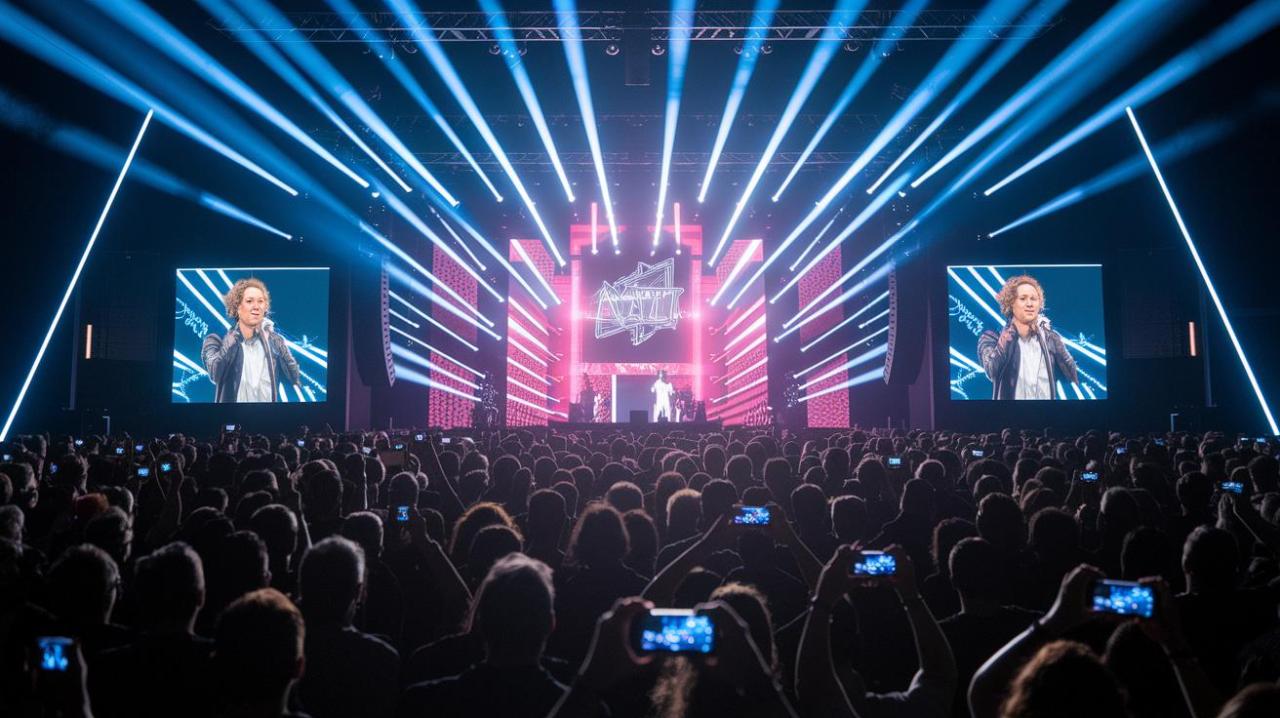
The virtual concert platform market features a diverse array of players, including Show4me Mobile World Ltd, Maestro Interactive Inc, Moment House Inc, Mandolin Inc, StageIt Inc, Veeps Inc, WaveXR Inc, Sansar Inc, Roblox Corporation, Fortnite Epic Games Inc, Twitch Interactive Inc, YouTube LLC, TikTok Ltd, Meta Platforms Inc, VRChat Inc, Sensorium AG, MelodyVR Ltd, NoCap Shows Inc, Songkick Live Ltd, Crowdcast Inc, Hopin Ltd, Stageverse Inc, AmazeVR Inc, SoundStage Live Inc, and Dice FM Ltd .
Notable Acquisitions
Strategic acquisitions are reshaping the competitive landscape. In March 2025, Infinite Reality acquired Napster for $207 million, aiming to transform Napster into an interactive social music platform emphasizing fan engagement, including virtual concerts and branded 3D spaces . This acquisition reflects the growing trend of blending music streaming with live virtual experiences to create more personalized, engaging music platforms .
In July 2025, JP 3E Holdings Inc. acquired MetaRock to expand its presence in the metaverse entertainment ecosystem, leveraging MetaRock’s patented decentralized trade platform and immersive metaverse technology for virtual commerce, digital experiences, and interactive entertainment applications .
Startups and SMEs
Emerging companies such as VRChat, The Sandbox, Decentraland, Upland, Pimax, and DPVR strengthen their market presence through immersive social platforms, creator-driven virtual economies, and advanced XR hardware innovation strategies . These startups challenge established players by innovating rapidly and capturing niche audiences.
Investment Opportunities and Business Setup
Capital Requirements and Infrastructure
Establishing a virtual concert production business requires significant initial investment. Key capital expenditures include advanced streaming and AR/VR production equipment, creative and technical software licensing, production studios, real-time rendering software, virtual stage design tools, and data security systems . The IMARC Group’s report identifies equipment and machinery costs as the largest portion of total capital expenditure, with facility development costs representing another substantial investment .
Revenue Projections and Profitability
The virtual concert production business model demonstrates high profitability potential due to low marginal costs, scalable global reach, and recurring partnerships with artists and brands . Detailed financial analysis considers setup costs, recurring operational expenses, multi-channel revenue streams (ticketing, sponsorships, merchandising, virtual experiences), five-year projections, ROI estimates, and risk sensitivity to determine profitability and sustainability .
Technical Requirements
Robust digital infrastructure forms the foundation of successful virtual concert production. This includes cloud-based streaming capabilities, immersive 3D stage design, AR/VR integration, audience engagement tools, and partnerships with technology providers ensuring high-quality, real-time virtual concert delivery .
Regulatory Compliance
Virtual concert operators must navigate complex regulatory landscapes. Compliance requirements include digital content licensing, copyright laws, broadcasting regulations, data protection regulations (such as GDPR), and platform-specific streaming guidelines . International scalability demands attention to varying regulatory frameworks across jurisdictions.
Future Trends and Outlook
Hybrid Live-and-Virtual Concert Formats
The future of live entertainment lies in hybrid models that combine physical performances with virtual accessibility. These formats expand reach while maintaining the energy and authenticity of in-person experiences . Artists can perform for capacity-limited physical audiences while simultaneously reaching millions of virtual attendees.
Creator-Centric Monetization Tools
Platforms increasingly offer creator-centric monetization tools that empower artists to control their revenue streams . These tools enable direct fan funding, flexible pricing models, and diverse revenue options beyond traditional ticketing.
Community-Driven Fan Experiences
Community-driven fan experiences represent another major trend . Platforms are evolving from passive viewing experiences to interactive communities where fans connect, share experiences, and participate in content creation.
Digital Asset and Collectible Integration
Digital assets and collectibles, including NFTs, will become increasingly integrated into virtual concert experiences . These digital goods provide new revenue streams while creating lasting value for fans.
Conclusion
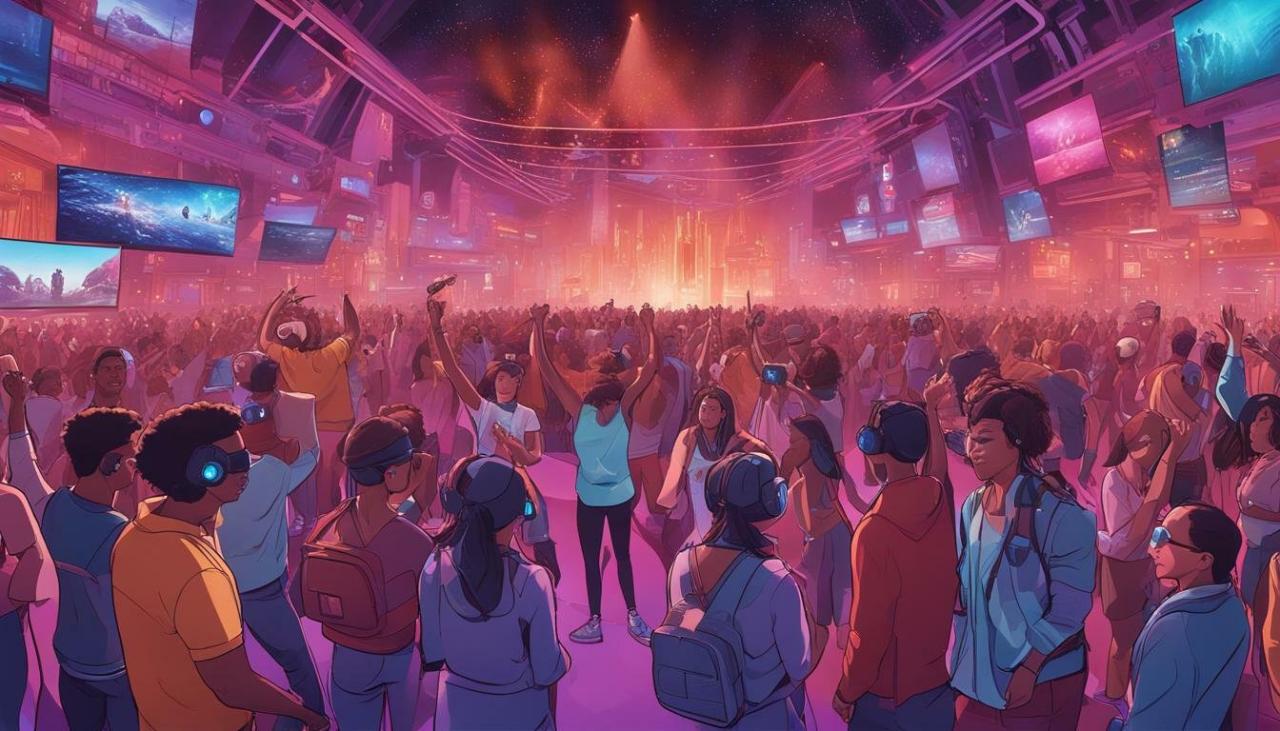
The virtual concert technology investment surge represents a fundamental transformation of the music and entertainment industries. As the market approaches $150 billion by 2030, stakeholders across the entertainment ecosystem must adapt to this new reality. The convergence of VR, AR, AI, and blockchain technologies is creating unprecedented opportunities for artists, fans, and investors alike.
The virtual concert platform market’s remarkable growth trajectory from $93.47 billion in 2025 to an expected $136.14 billion by 2030 demonstrates the significant value investors place on this sector. The broader metaverse in entertainment market, projected to grow at a CAGR of 26.3% to reach $89.81 billion by 2030 , further underscores the enormous potential of immersive digital entertainment.
For artists, virtual concerts offer global reach, reduced touring costs, and innovative revenue streams. For fans, they provide unprecedented access to performances regardless of geography or physical limitations. For investors, the sector presents substantial growth opportunities driven by technological advancement and evolving consumer preferences.
As technology continues to evolve and adoption accelerates, virtual concerts will likely become an integral component of the music industry ecosystem. Platforms that successfully combine immersive technology, engaging content, and sustainable monetization models will capture significant market share. The virtual concert revolution is not merely a trend it represents the future of live entertainment.