The global music industry finds itself at a pivotal crossroads in 2026, navigating a landscape where traditional revenue streams face unprecedented challenges while new opportunities emerge from the unlikeliest of places. As streaming platforms mature and subscriber growth plateaus in developed markets, the industry has turned its attention to a segment of consumers that was once considered merely an enthusiastic subset of the audience but is now recognized as the engine of future growth. These are the superfans, the highly engaged, emotionally invested music enthusiasts who do not simply listen to songs but live them, breathe them, and, crucially, spend significantly more on music-related products and experiences than the average consumer.
The concept of the superfan economy has rapidly evolved from a niche buzzword into a defining strategic priority for everyone from major record labels and streaming platforms to independent artists and technology startups. This shift represents a fundamental reconsideration of how value is created and captured in the music business, moving away from a model that prioritized passive, high-volume consumption toward one that focuses on depth, engagement, and direct relationships. As streaming revenue growth slows and the balance of power between labels and digital service providers continues to shift, the superfan economy offers a promising path toward sustainable growth, diversification, and deeper artist-fan connections.
The Emergence of the Superfan Economy
The superfan economy has emerged as a direct response to the structural changes that have reshaped the music industry over the past decade. The streaming revolution, while initially a source of explosive growth, has plateaued in many mature markets, with subscriber numbers stabilizing and revenue growth slowing significantly. In 2024, streaming platforms like Spotify and Deezer experienced revenue growth of 18.7%, compared to just 6.2% for record labels, a disparity that has fundamentally altered the relationship between these two industry pillars. This gap between platform growth and label revenue growth continues to widen, diminishing labels’ bargaining power and potentially forcing them to accept less favorable terms to maintain platform access. The streaming slowdown that analysts have long anticipated is no longer a future possibility but a present reality, serving as the first act in what industry experts describe as a longer-term shift in the business, with the second act being bifurcation.
This bifurcation will result in two distinct music business models. On one side, the streaming business will become much more about passive catalogue consumption and scalable monetization for major rightsholders. On the other, a non-DSP lane will emerge, characterized by fragmentation, niche communities, direct fan relationships, and a diverse array of monetization tools centered around fandom. This fragmentation could further reshape power dynamics, potentially leading to less revenue concentration than the major labels anticipate, as the nature of the superfan economy is inherently more distributed.
The diagnosis that superfans represent a massive under-monetized opportunity is widely accepted across the industry. Universal Music Group Chairman and CEO Sir Lucian Grainge has emphasized that fostering deeper relationships between artists and fans is a key priority, characterizing the superfan segment as massively under-monetized. Universal’s direct-to-consumer business has already grown to 1,600 online stores, generating hundreds of millions of dollars in revenue, which Grainge believes represents only the beginning of what is achievable from music’s most engaged listeners. Investment bank Goldman Sachs has quantified the addressable superfan opportunity at approximately $4.3 billion annually, providing a compelling financial rationale for the industry’s intense focus on this segment.
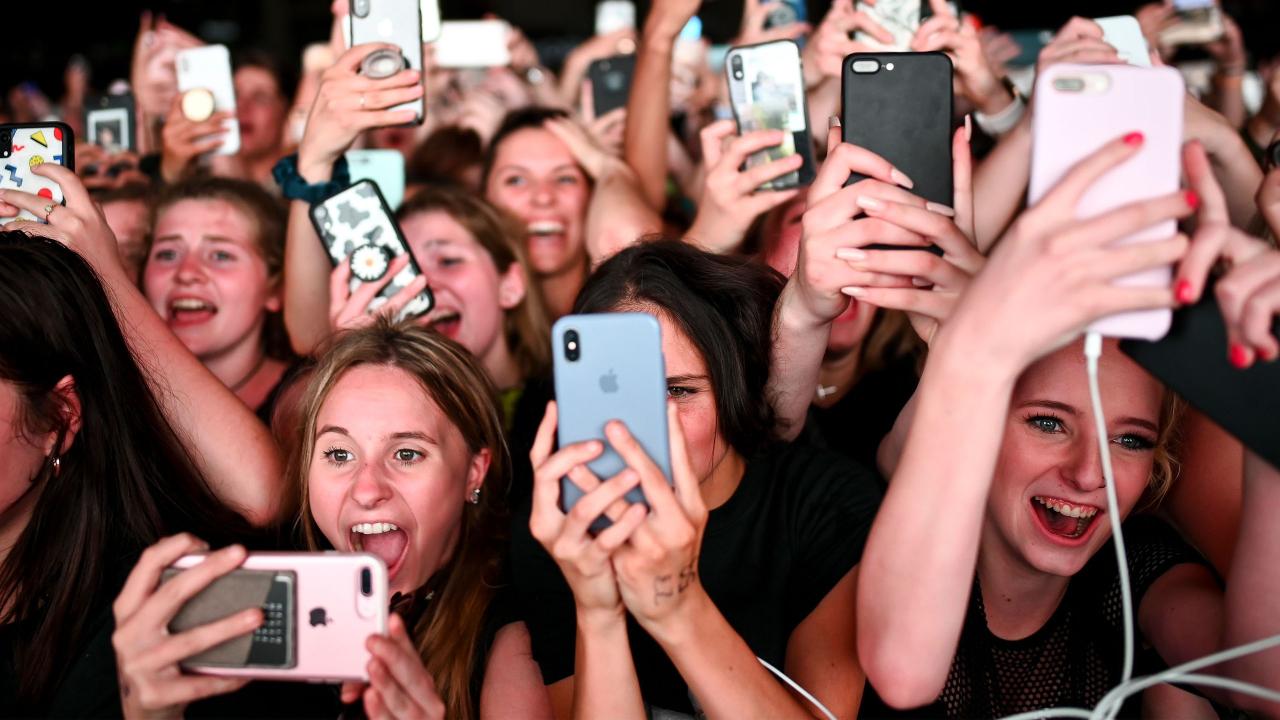
The data supporting the superfan opportunity is compelling. According to Luminate’s research, approximately 20% of US music listeners now qualify as superfans, while MIDiA Research and SoundCloud found that superfans representing just 1.9% of listeners generated 42% of total revenue under Fan-Powered Royalties models. These superfans are distinguished by their multi-faceted engagement, demonstrating five or more distinct behaviors such as frequent streaming, concert attendance, merchandise purchases, and active participation in fan communities. They spend 65-80% more on music-related products than average listeners, making them an exceptionally valuable demographic for artists, labels, and platforms alike.
Understanding Superfan Behavior and Value Creation
Superfans are not a monolithic group but represent a diverse spectrum of highly engaged listeners who demonstrate their devotion in various ways. According to Mag Rodriguez, Founder and CEO of the superfan-focused platform EVEN, the industry has been approaching superfans incorrectly, treating them as a single, uniform segment rather than recognizing the distinct ways they create value. In one album release analyzed by EVEN, the top spender spent $677.99 while streaming the album just 14 times, the top listener played it 971 times but spent only $7.99, and the most active community member sent 474 messages while pressing play only once. Eleven of the 25 most active listeners spent $10 or less, while nineteen of the 25 most active fans in the community chat spent more than $100 each.
These patterns reveal three distinct types of superfans: the spender who quietly buys everything, the community leader who organizes trips to shows and influences others’ purchases, and the dedicated listener who streams constantly but has not purchased anything beyond the digital version of the album. Each type creates value in fundamentally different ways, yet most superfan strategies treat them as identical customers with identical offers. This oversimplification represents a significant missed opportunity for more targeted engagement and monetization strategies.
The challenge in identifying and understanding superfans lies in the fragmented nature of the music industry’s data infrastructure. The presale lives on one platform, the merchandise store on another, tour presale information resides with ticketing providers, community exists on chat applications, and streams are housed within digital service providers. Five vendors, five databases, five fragments of the same fan, and nothing connecting them. This fragmentation means that when someone says they are building a superfan strategy, they often cannot actually identify their superfans by name, only by segments or demographics. The industry did not discover the superfan; it invented a word for a customer it could not actually see.
The consequence of this fragmentation is significant. Marketing dollars chase listeners because streaming is easy to measure, premium products are built for big spenders but promoted to communities populated by entirely different fans, and fans who join presale lists, buy multiple vinyl editions, and drive hours to shows are retargeted with ads for albums they already own. This inefficiency represents a significant drain on marketing resources and a missed opportunity to build deeper, more profitable relationships with the industry’s most valuable customers.
However, when the fragments come together, the results can be transformative. In one recent campaign powered by EVEN, more than 600,000 fans opted in through an artist’s website, and that identified audience went on to drive the sale of more than 800,000 tickets during the initial tour presale, representing one of the largest artist presales ever. This success did not happen because these fans were more devoted than others; it happened because, for once, the artist and their team could see all of them. This underscores the importance of creating a Unified Fan Record that brings together what fans say, what they buy, and what they listen to.
The Major Players and Their Superfan Strategies
Universal Music Group
Universal Music Group has positioned itself at the forefront of the superfan economy, with Chairman and CEO Sir Lucian Grainge expressing strong bullishness about the segment’s potential. UMG’s direct-to-consumer business has grown to encompass 1,600 online stores, generating hundreds of millions of dollars in revenue. The company has also made strategic investments in superfan platforms, including taking a stake in Weverse and acquiring a stake in superfan app Stationhead. Grainge has announced plans to accelerate UMG’s superfan efforts through enhanced premium tiers for superfans on existing digital service providers and partnerships with emerging platforms.
UMG has also demonstrated its commitment to superfan monetization through landmark licensing agreements with Spotify that enable fans to create AI-powered covers and remixes of their favorite songs. This groundbreaking tool will launch as a paid add-on for Spotify Premium users, creating an additional source of income for artists and songwriters based on a model of consent, credit, and compensation. This initiative is designed to support human artistry, deepen fan relationships, and create additional revenue opportunities for artists and songwriters, embodying the principle that the most valuable innovations in the music business always bring artists and fans closer together.
Spotify
Spotify has been particularly aggressive in pursuing superfan monetization, recognizing that there is no average user and developing higher-value subscription products and premium experiences specifically for its heaviest users. The streaming giant unveiled Reserved by Spotify, a partnership with Live Nation that holds two tour tickets exclusively for select Premium subscribers before general sales begin. Using streams, shares, and listening activity to identify eligible fans, the program ensures that the most dedicated listeners secure access without battling bots or inflated resale markups. This move validates live events as a primary revenue driver for superfans and represents a shift toward infrastructure-based fandom monetization rather than simple content distribution.
Spotify is also developing a super-premium subscription tier aimed at superfans and has been reported to be developing Music Pro, a super-premium service that includes Superfan Clubs, giving artists tools for exclusive content and deeper engagement with their most devoted listeners. These initiatives reflect Spotify’s broader vision of positioning itself not merely as a music distributor but as a comprehensive infrastructure provider for creator fandom, integrating music, live events, and spoken-word content into a unified monetization ecosystem.
YouTube
YouTube has joined the superfan race with new features designed to help artists reward their most dedicated fans. These include countdowns and pre-saves to generate excitement around upcoming releases, exclusive merchandise drops that enable artists to offer merchandise specifically to their top viewers, and exclusive video drops that let artists share behind-the-scenes clips and special messages directly with their most dedicated fans. These tools help position YouTube to compete more directly with platforms like Spotify in nurturing artist-fan relationships while leveraging YouTube’s holistic ecosystem that spans posts, fan communities, comments, and experiences across mobile, desktop, and living room surfaces.
Weverse
HYBE-owned Weverse has established itself as the leading global superfan hub, reaching 12 million monthly active users in 2025, driven in large part by BTS’s full-group reunion. The platform now hosts 178 artists, with 90% signed to labels other than HYBE, demonstrating its appeal beyond the Korean entertainment company’s own roster. Fans spent an average of 263 minutes per month on Weverse in 2025, uploading 90 million posts and 213 million comments across communities. Artists hosted 6,558 Weverse LIVE sessions over the course of the year, amassing more than 1 billion views in total.
Weverse’s commerce numbers are equally impressive. The platform sold 25.2 million products last year, while digital product purchases more than doubled year-over-year, signaling that HYBE’s push into virtual goods and digital merchandise is gaining traction. Perhaps most significantly, Weverse’s data suggests it is not just serving existing superfans but creating new ones. Approximately 15% of users became more active over time after using features like Weverse DM and Weverse LIVE, and among those classified as Superfans, 20% started out as more casual users before working their way up. This conversion question, how many superfans can you create rather than just monetize, may ultimately be the one that matters most as the industry races to build its own superfan tools.
Innovative Platforms and Emerging Opportunities
Kalshi and Music Prediction Markets
One of the most innovative developments in the superfan economy is the emergence of music prediction markets, where fans can monetize their expertise and passion for music. Kalshi, a platform offering prediction markets on outcomes ranging from Grammy winners to chart placements, has seen explosive growth, with over $400 million traded on its music markets in 2026 alone. One Ariana Grande superfan, a school teacher, earned six figures and paid off student loan debt from well-informed trades, while another fan made over $380,000 through musical expertise.
Luana Lopes Lara, COO and co-founder of Kalshi, describes the platform as a way for superfans to monetize the infinite hours they invest in following their favorite artists. The platform creates a social element where fans engage with each other, and it potentially reduces polarization by encouraging more rational thinking among fans who must put money behind their beliefs. However, questions remain about insider trading risks and whether the addition of betting elements could incentivize artificial streaming, though Kalshi maintains it only lists markets that are difficult to manipulate and treats market manipulation as a serious federal crime.
EVEN
EVEN, the superfan-focused platform founded by Mag Rodriguez, operates on a pay-what-you-want model, allowing fans to unlock early content, exclusive merch, or one-on-one access. It has become a go-to platform for artists like J. Cole and 6LACK. EVEN’s approach emphasizes unifying fan identity across different touchpoints, creating a comprehensive view of fan behavior that includes what fans say, what they buy, and what they listen to. This approach moves beyond treating superfans as a singular archetype to recognizing the distinct ways they create value.
FanCircles and Winamp
FanCircles, a UK-based SaaS platform, empowers artists to build dedicated, branded superfan apps, with some artists reporting $100,000 per 1,000 superfans through premium subscriptions. Winamp’s Fanzone offers integrated fan membership spaces directly on artist websites, keeping fans within the artist’s ecosystem while providing predictable recurring revenue. For example, 200 supporters contributing $5 per month creates $1,000 in recurring monthly revenue, equivalent to approximately 250,000 streams.
Sesh
Sesh, a newer entrant, blends fan communities with mobile wallet technology, giving superfans digital fan cards to manage notifications, access live sessions, and personalize engagement, all supported by AI-driven analytics. These platforms demonstrate the diversity of approaches emerging to serve the superfan economy, from dedicated fan apps and membership spaces to pay-what-you-want models and comprehensive fan data platforms.
The Importance of Creating, Not Just Monetizing, Superfans
While much of the industry’s attention has focused on monetizing existing superfans, there is a growing recognition that the real opportunity lies in creating new ones. Thom Skarzynski, founder of Happiness.Marketing, argues that the distance between a casual fan and a superfan is often just one unexpected human moment, and creating more of those moments is a significantly underleveraged opportunity. Music has never had a fan problem; it has a connection problem. If the industry creates moments where people feel something real around the music, whether in a record store, a fan meetup, or a small surprise moment, fandom grows naturally.
Skarzynski illustrates this point with an example from his time at Fueled By Ramen, where anytime an artist was in the office, they would call or FaceTime fans who had just placed a merch order, just to say thank you. The fans would post about it on fan accounts, Reddit threads, and fan sites, and soon everyone was hoping their phone would ring. That moment created a new superfan. This approach demonstrates that superfandom is not something you discover but something you intentionally build, and in an era of AI-powered platforms and premium subscription tiers, the most powerful tools available to an artist may still be a handwritten note or a phone call to a fan who just bought their record.
For younger fans, physical music represents discovery rather than nostalgia, opening up new opportunities for creating superfans through products that serve as gateway experiences. Packaging that feels collectible, surprise inserts that reward curiosity, and experiences around the music that make fans feel like they have stepped into the artist’s world all contribute to creating new superfans. These approaches require patience and emotional thinking, not just analytics, which is why the creation side of the superfan equation often gets overlooked in favor of the easier-to-model monetization side.
The conversion question is critical because it determines whether the superfan economy represents genuine growth or simply more efficient monetization of existing demand. Weverse’s data suggests that platforms can indeed convert casual fans into superfans, with 20% of their superfans starting out as more casual users. This indicates that the superfan economy has the potential to expand the total market for music rather than merely reorganizing how existing value is distributed.
The Future of the Music Industry in the Superfan Era
As the music industry continues its transformation, the winners will be those who understand that fandom is not just about consumption but about identity and community. The Korean and Japanese labels remain the models of best practice, not just because they have managed superfan monetization so well, but because they put as much work into building fandom as they do harvesting it. This balance will be crucial for long-term success in an increasingly bifurcated music ecosystem where streaming and direct fan relationships operate on different models.
The streaming slowdown is just the first act of a longer-term shift in the business, with bifurcation serving as the second act. This bifurcation will create two distinct music business models: one focused on passive catalogue consumption through streaming platforms, and another much more fragmented model centered on fan relationships, niches, scenes, and a diverse array of monetization tools. This fragmentation could reduce the concentration of revenue among major labels, as independent artists and smaller labels develop direct relationships with their superfans.
For investors, the superfan economy presents both opportunities and challenges. Returns are increasingly driven by effective exploitation of high-performing assets rather than broad exposure to the long tail, with less than 1% of tracks capturing 60-80% of total streams. Successful investors will need to prioritize defensible, high-performing IP with strong fan engagement, adopt active ownership models to unlock value beyond passive royalties, build capabilities in data, marketing, and distribution, and identify growth pockets by genre, geography, or fan intensity. Simply owning music rights is no longer sufficient; the winners will be those who can actively shape, scale, and monetize them in an increasingly complex and competitive ecosystem.
Conclusion
The superfan economy represents a transformative shift in how the music industry creates and captures value, moving beyond a model of passive consumption to one centered on deep engagement, emotional connection, and direct relationships. As streaming revenue growth slows and the balance of power between labels and digital service providers shifts, superfans offer a promising path toward sustainable growth and diversification. The industry is building new infrastructure to identify, engage, and monetize these valuable fans, from major platforms like Spotify and YouTube to dedicated superfan services like Weverse, EVEN, and FanCircles.
However, the superfan economy also presents significant challenges, including data fragmentation that prevents the industry from truly understanding its most valuable customers, the risk of over-harvesting existing superfans while failing to create new ones, and the need to balance building fandom with monetizing it. The companies that win the next decade of the music business will be those that can create a unified view of every fan, recognizing the distinct ways they create value while also investing in the human moments that turn casual listeners into devoted superfans. As the industry enters its next chapter, understanding this balance will be crucial for long-term success in an increasingly bifurcated music ecosystem where fandom is not just about consumption but about identity, community, and belonging.