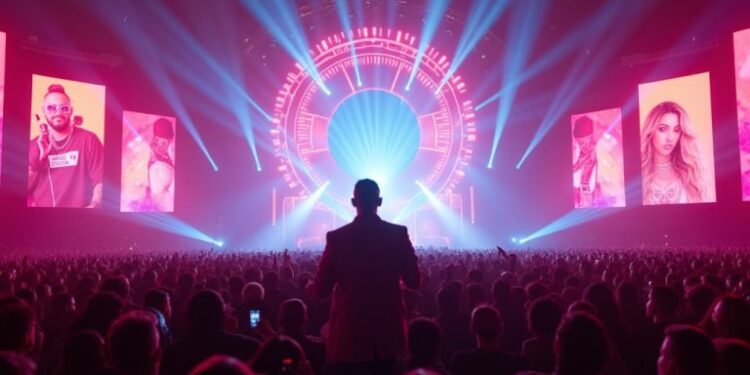
The summer of 2026 has witnessed an unprecedented surge in music festival culture, with events across the globe capturing the attention of millions of music enthusiasts. From the electronic beats of Belgium to the rock anthems of Germany, the festival landscape has evolved into a diverse and dynamic ecosystem that dominates the season. This phenomenon represents more than just entertainment it reflects a cultural shift in how people experience music, community, and live performances in the post-pandemic era.
The Global Festival Landscape in 2026
The Data Behind the Dominance
Recent search data has revealed fascinating insights into which festivals are capturing the global imagination in 2026. According to ticket comparison platform SeatPick, which analyzed over a thousand keyword combinations to measure global festival demand, Belgium’s Tomorrowland has officially claimed the title of the “most anticipated festival” with an impressive 2.05 million monthly searches. This electronic dance music powerhouse has overtaken previous frontrunner Coachella, which follows closely with 1.75 million monthly queries.
The data becomes particularly intriguing when examining the enduring brand power of legacy events. England’s legendary Glastonbury Festival commands over 800,000 monthly searches and securely holds fourth place, despite 2026 being a scheduled fallow year with zero performances on the calendar. This remarkable statistic demonstrates the deep cultural imprint these festivals have established over decades. Right behind it sits Burning Man with approximately 636,000 searches, generating massive organic interest without relying on booked headliners, thriving entirely on the collaborative city-building efforts and grassroots creativity of its 80,000 participants.
The European Festival Powerhouses
Belgium has emerged as a particular hotspot for festival activity in 2026. Beyond Tomorrowland’s dominance, the country hosts Rock Werchter from July 2-5, featuring a lineup that blends major international acts with strong Belgian presence. The festival has evolved from a traditional rock event into a multi-genre spectacle capable of attracting audiences across generations, with headliners including The Cure, Gorillaz, Mumford & Sons, and Charlotte de Witte.
Rock Werchter’s evolution reflects a broader European trend toward fewer stylistic boundaries and more cross-genre bookings. The festival’s commitment to local talent, featuring Belgian acts such as The Haunted Youth and High Hi, underscores the importance of regional connection in an increasingly globalized festival market.
Tomorrowland’s 2026 edition focuses on major electronic names including Calvin Harris, Martin Garrix, ILLENIUM, David Guetta, and Armin van Buuren. The event has introduced expanded stage concepts, including Afro-house programming and immersive b2b formats, reflecting the festival’s continued shift toward genre diversification within electronic music. This strategic evolution demonstrates how festivals must adapt to maintain relevance and capture audience attention in an increasingly crowded market.
The Rock and Metal Festival Circuit
Europe’s Heavy Music Pilgrimages
For fans of rock and metal, 2026 offers an absolutely stacked calendar of events across Europe. The continent has essentially agreed that sleep is an unnecessary luxury during the summer months, with festivals catering to every subgenre of heavy music.
Download Festival at Donington Park from June 12-14 features acts including Limp Bizkit and Linkin Park, with four stages providing three days of intense musical experiences. Hellfest at Clisson, France from June 18-21 brings together Bring Me The Horizon, Iron Maiden, and once again Limp Bizkit across five different stages featuring more than 180 bands within four days, with weekend passes already sold out.
Wacken Open Air, Germany’s “Mecca of Heavy Metal Culture,” celebrates its 35th anniversary between July 27 and August 1. Headlined by Judas Priest, Powerwolf, and Def Leppard, the event has transformed from a mere festival into a pilgrimage for metal fans worldwide. With over 150 bands playing across eight stages, Wacken represents the pinnacle of heavy music celebration.
Rock for People in the Czech Republic proves that legendary experiences don’t require a trust fund, with Iron Maiden marking their 50th anniversary on a former solar-powered military airfield alongside Gorillaz at accessible price points. Sweden Rock Festival offers an honorable mention, where Iron Maiden (enjoying a busy summer), Volbeat, and Bring Me The Horizon perform by the sea for a crowd famously described as disturbingly polite for a metal audience.
North American Heavy Music Offerings
While European festivals dominate the heavy music conversation, North American events continue to draw significant attention. Rolling Loud sits in sixth place globally with nearly 300,000 monthly searches, representing the hip-hop side of the festival spectrum. Tennessee’s Bonnaroo and Miami’s Ultra Music Festival also rank among the top ten most searched festivals, demonstrating the diversity of musical experiences available to American audiences.
The Niche Festival Experience
Employee-Owned Innovation
Shambala Festival in the UK has made headlines by becoming the country’s first employee-owned festival. This landmark transition reflects a growing movement toward community ownership and participatory governance in the festival space. For its 2026 edition, Shambala has shared a significant new wave of programming featuring over 80 new artists including Paranoid London, Luke Vibert, K-Lone, and Om Unit, plus blockbuster speakers such as Zack Polanski and a UK exclusive from the world-leading CERN Festival Programme and Big Bang Collective.
The festival’s commitment to sustainability and ethical practices has been particularly noteworthy. After a decade of being meat- and fish-free, Shambala has put the question of reintroducing meat—solely in the form of sustainable, locally sourced wild venison—to an audience vote, inviting festival-goers to decide whether it should feature on the menu in 2026. This radical rethink comes in response to record-high deer populations across the UK, where overgrazing is known to damage woodlands, wetlands, and biodiversity in the absence of natural predators.
Shambala’s Talks & Speakers offering for 2026 is designed to fire up hearts, minds, and spirits, with much of the program taking a close look at the current political landscape through a decidedly hopeful lens. Transition movement co-founder Rob Hopkins explores how to fall in love with the future, while Green Party leader Zack Polanski hosts a live edition of his Bold Politics podcast.
Belgium’s City-Wide Celebration
The Gentse Feesten transforms the historic center of Ghent into one of Europe’s largest urban festivals from July 17-26. Unlike Belgium’s major ticketed music events, this festival combines free concerts, street theatre, comedy, exhibitions, and family activities across dozens of locations throughout the city. This accessible format demonstrates how festivals can serve as community-building exercises rather than commercial enterprises.
The event features crowd favorites such as Polé Polé, Boomtown, the International Street Theatre Festival, and the International Puppet Buskers Festival. With hundreds of performances spread across the city center, the Gentse Feesten remain one of the most accessible and distinctive fixtures of Belgium’s summer festival season.
Festival Marketing and SEO Strategies
The Importance of Search Optimization
As festivals increasingly compete for attention in a crowded marketplace, search engine optimization has become essential for driving ticket sales and building anticipation. Event organizers have recognized that potential attendees are actively searching Google for events to attend, making SEO the foundation for sustainable event growth.
Successful festival marketing requires a comprehensive keyword strategy that identifies the exact phrases potential attendees search for when looking for events. These phrases determine what content organizers create and how they optimize every page. Two main intent types matter for events: informational intent (early-stage searches like “concerts in Brooklyn” or “music festivals 2026”) showing people exploring options, and transactional intent (purchase-ready searches like “buy tickets Tomorrowland 2026”) signaling immediate action.
Long-tail keywords have proven particularly valuable for festivals, as specific phrases like “best family-friendly summer festivals near me” face less competition and attract ready buyers. Generic terms like “festival” compete with thousands of results, while specific phrases indicate stronger purchase intent and higher conversion rates.
Clothing and Merchandise SEO
The festival economy extends far beyond ticket sales, with clothing brands capitalizing on the seasonal surge in interest. Major Ecommerce brands have recognized that incorporating festival keywords into their SEO strategy during spring and summer can increase visibility and improve return on investment. Companies like H&M, Nasty Gal, ASOS, Free People, and Boohoo have all created dedicated festival sections on their websites, optimized for related keywords.
ASOS has emerged as a forerunner for men’s festival clothing searches, offering nearly 800 products for men and almost 900 for women, utilizing “festival essentials” in their URL structure. Boohoo’s festival shop contains 70 pages of festival wear, demonstrating the scale of the commercial opportunity surrounding these events.
These major Ecommerce brands are staying current by keeping up with the latest events and trends, recognizing that website visitors of such brands frequently attend musical festivals in the spring and summer. When optimizing websites, these companies ask themselves what matters to their users and ensure their internet marketing and SEO techniques reflect those interests.
Content Considerations for Festival Websites
For event organizers and content creators covering festivals, understanding search engine policies is crucial for long-term success. Google AdSense, the primary monetization tool for many content creators, enforces strict policies regarding content quality and originality. The platform only allows ads on family-safe content and strictly prohibits monetization of harmful, deceptive, or illegal material.
Content creators must ensure their festival coverage offers unique value rather than simply replicating information from other sources. This presents a particular challenge for event listing platforms, where duplicate content may appear across multiple sites. However, original analysis, attendee experiences, and behind-the-scenes coverage can provide the unique perspectives necessary for successful monetization.
The Economics of Festival Fatigue
Understanding Market Saturation
Despite the apparent dominance of festivals in summer 2026, industry experts have identified signs of “festival fatigue”—where audiences feel inundated by too many similar lineups and experiences. After the pandemic lull, festivals roared back with a vengeance, and by 2025, nearly every weekend saw multiple music, food, and culture festivals spring up worldwide. Major players expanded and new niche events launched, all chasing the wave of pent-up demand.
However, the sheer volume of festivals is now testing the limits of fan appetite. Even top-tier events have noticed a cooldown, with some iconic festivals that once sold out in minutes now struggling to hit capacity. This represents a clear red flag that the market may be over-saturated.
For festival-goers, having more options isn’t always better. Many fans report feeling overwhelmed by the choices, and with inflation and higher living costs cutting into disposable incomes, people are forced to be selective. An attendee who might have hit three or four festivals in 2019 may now only budget for one or two in 2026, making the competition for their attendance fierce.
Survival Strategies for Festivals
To combat festival fatigue and stand out in the crowded 2026 season, industry experts recommend several key strategies:
A. Recognize Festival Fatigue Early – Keep a close eye on ticket trends, fan feedback, and competitor moves. Slower sales, repeated lineups, or local festival closures are warning signs of saturation. If top-tier events aren’t selling out instantly anymore, mid-tier festivals must proactively adjust.
B. Differentiate with Unique Experiences – Offer one-of-a-kind content that fans can’t get elsewhere. Exclusive artist collaborations, immersive themes, interactive art, and surprise moments create buzz and give your festival a distinct identity.
C. Build a Loyal Community – Cultivate your festival as a year-round community, not just a once-a-year concert. Engage fans through social groups, off-season events, and behind-the-scenes content. Festivals that foster a sense of belonging enjoy far higher loyalty and organic advocacy.
D. Be Strategic with Timing – In an oversaturated 2026 calendar, when you schedule your festival is crucial. Avoid clashing with similar festivals or major world events. Consider under-served dates or seasons to escape the peak crowd.
E. Sharpen Your Brand and Marketing – Clearly define what makes your festival special and weave that narrative through all marketing channels. Embrace storytelling and authenticity by showcasing real fans, artists, and values rather than just pushing ads.
F. Deliver Superior Value and Service – To combat tightened attendee budgets, ensure your festival feels “worth every penny.” Be transparent with pricing and add perks like free water, secure lockers, or bundle deals.
G. Nurture Sponsors as Partners – Differentiate your festival in sponsors’ eyes by offering creative, value-adding integrations—not just logo placements. Work with brands to create activations that fans love.
H. Innovate and Adapt Continuously – The festival landscape and fan expectations evolve, so should you. Embrace useful tech that enhances experience but keep the human touch so your event doesn’t lose its soul.
The Digital Transformation of Festival Marketing
Comprehensive Digital Strategies
Modern festival marketing requires a sophisticated approach across multiple digital channels. Analysis of successful festival campaigns reveals the importance of strategic digital advertising to build awareness and drive ticket sales. Meta advertising serves as a primary bottom-funnel ticket sale driver, with ad campaigns often delivering significant return on ad spend.
Connected TV advertising has emerged as an effective channel, with some festivals achieving view completion rates of nearly 99% on their video content. Streaming audio advertising on platforms like Spotify and Pandora, targeted by relevant genres and artists, provides additional touchpoints for reaching potential attendees.
Search and site retargeting audiences in key markets have proven essential for converting interest into ticket purchases. Top search queries often include specific artist names and festival-related terms, demonstrating the importance of comprehensive SEO strategies.
The Role of Tech Innovation
RFID wristbands and NFC-enabled ticketing have transformed the festival experience, enabling contactless payments, faster entry, and real-time spending analytics. These technologies not only improve the attendee experience but also provide valuable data for organizers to understand visitor behavior and preferences.
Cashless systems have become increasingly common at major festivals, reducing friction and increasing spending. Alongside these operational improvements, immersive technologies like augmented reality are beginning to appear at festivals, offering new ways to engage attendees and create memorable experiences.
Conclusion
The dominance of music festivals in summer 2026 represents the culmination of decades of cultural evolution in live entertainment. From the electronic dance music mecca of Tomorrowland to the heavy metal pilgrimage of Wacken, from the community-owned innovation of Shambala to the city-wide celebration of Gentse Feesten, festivals have become essential cultural touchstones for millions of people worldwide.
The data clearly shows that festivals have captured the global imagination, with search volumes for major events reaching millions of monthly queries. Yet the industry faces significant challenges as it navigates an increasingly crowded marketplace. Festival fatigue threatens to undermine the growth of the sector, forcing organizers to innovate and differentiate their offerings.
The festivals that will thrive in this environment are those that recognize the warning signs of saturation and respond strategically. By offering unique experiences, building genuine communities, adapting their timing and marketing strategies, and embracing technology, festivals can maintain their cultural relevance and commercial viability.
For attendees, the abundance of choices in summer 2026 means they can select experiences that truly resonate with their preferences and values. Whether seeking the communal energy of a massive electronic festival, the camaraderie of a heavy metal pilgrimage, or the intellectual stimulation of a festival that combines music with political discourse and sustainability debates, there has never been a more exciting time to explore the global festival landscape.