The rise of generative artificial intelligence in music has ushered in an era of unprecedented creative possibility, but it has also ignited a fierce debate about cultural identity, authenticity, and the very nature of human expression . What happens to the “soul” of music when machines can compose, perform, and even mimic the voices of our most beloved artists? This question is at the heart of a cultural identity crisis that is reshaping the music industry and forcing us to confront uncomfortable truths about value, ownership, and the essence of creativity .
The Democratization Dilemma: Access vs. Appropriation
The proliferation of AI music generators like Suno, Udio, and AIVA has been hailed as a democratizing force, allowing anyone with a text prompt to create high-fidelity musical tracks regardless of training or access to expensive equipment . Proponents argue that AI “help[s] bring the gift of music creation and music theory as an education to many who would otherwise be marginalised in making music” . However, this narrative of creative liberation obscures a darker reality: the systematic extraction of cultural heritage for commercial gain .
The convenience of AI creation is built upon a foundation of data scraping. Major AI companies have admitted to training their models on “all music files of reasonable quality that are accessible on the open Internet,” including copyrighted material and culturally significant recordings . This practice raises a crucial ethical question: when AI companies use a community’s traditional music to train their algorithms, then sell access to that algorithm, is this democratization or exploitation ?
The Cultural Appropriation Crisis: Deepfaking and Deeptaking
The impact of AI music extends far beyond the legal battles over copyright; it represents a new frontier in cultural appropriation. Scholars are increasingly drawing a distinction between “deepfaking,” which involves cloning the voices and likenesses of established artists, and “deeptaking,” which refers to the wholesale extraction and commodification of entire musical traditions .
A. Deepfaking: The Threat to Individual Artists
Deepfaking has captured public attention through viral examples like the fake Drake and The Weeknd collaboration “Heart on My Sleeve” . These AI-generated imitations allow anyone to mimic the voices of famous artists, creating songs that can deceive listeners and undermine the value of authentic artistic expression. While major labels like Universal Music Group have pursued aggressive litigation against these practices, the sheer volume of AI-generated content makes enforcement nearly impossible .
B. Deeptaking: The Extraction of Cultural Heritage
More troubling than deepfaking is the phenomenon of deeptaking. This occurs when AI systems are trained on culturally significant music from Indigenous Australian songlines to Irish traditional dance music without the consent or compensation of the communities that created these traditions . The impact is profound:
-
Erosion of Cultural Integrity: When AI models trained on Eurocentric datasets generate music labeled as “Indian classical” or “African” music, they often produce caricatures that strip these traditions of their meaning and context .
-
Economic Displacement: In Indigenous communities, 90% of musicians believe AI tools threaten their ability to make a living from their work and safeguard their cultural heritage .
-
Misrepresentation and Stereotyping: AI-generated “Mississippi Delta blues” songs, created by prompting an algorithm to produce “sad AI blues,” have been criticized for capitalizing on an idiom associated with trauma and suffering from enslavement .
-
Loss of Sacred Knowledge: In Australia, AI systems can generate songs in the Yolngu language, reproducing fragments of sacred songlines that contain information about law, customs, and geography . As one Yolngu woman observed, “It’s scary that it could generate those sentences and those words and that story” .
The Participation Crisis: From Making to Consuming
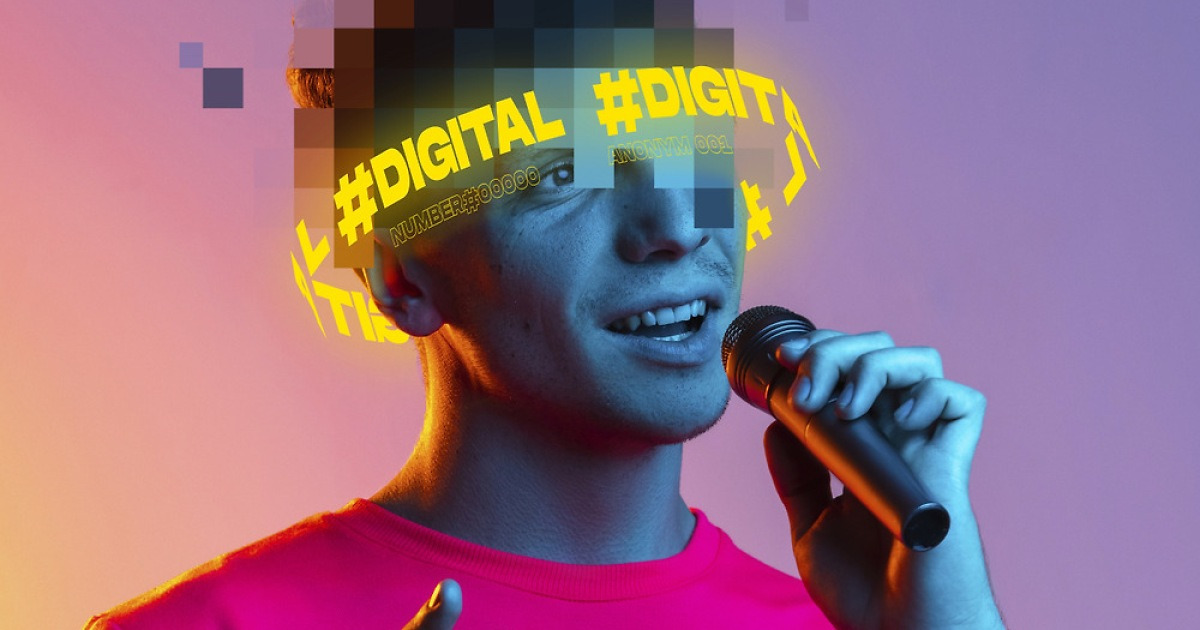
Beyond cultural appropriation, the rise of AI music represents a fundamental shift in how humans engage with music. Scholars argue that music is participatory in essence, designed to encourage active engagement and social bonding . However, the dominance of presentational music-making where a professional performs for a passive audience has become the norm in WEIRD (Western, Educated, Industrialized, Rich, Democratic) societies .
AI threatens to accelerate this shift away from participation:
-
Passive Consumption: As AI generates increasingly polished music, the incentive for amateur music-making diminishes. Why spend years learning an instrument when an algorithm can produce a track in seconds ?
-
Loss of Psychic Diversity: Generative AI tends toward the “lowest common denominator,” producing music that appeals to broad audiences rather than reflecting the unique creative impulses of individual minds . This threatens the psychic diversity that is vital for cultural innovation.
-
Homogenization of Sound: In music education, students are increasingly using AI tools as “quick solution[s] to form harmonies, rhythms, and sound colors,” leading to works that “easily bear the common characteristics of global popular music, lacking the imprint of local culture” .
The Redefinition of Authorship and Authenticity
The rise of AI music forces a fundamental reconsideration of what it means to be a creator. Traditional markers of artistic authority instrumental skill, genre literacy, and institutional recognition are being supplemented, and in some cases replaced, by new forms of cultural capital grounded in “prompt fluency, curatorial savvy, and platform literacy” .
Online communities like Reddit have become battlegrounds where these new hierarchies are contested. Users debate the legitimacy of AI-generated music, drawing on Bourdieu’s concepts of cultural capital and distinction to assert their authority . Some argue that AI-assisted creation represents a valid form of cultural capital , while others insist that “real music” requires the “paying your dues” process of traditional training .
The legal system is equally conflicted. While courts have generally agreed that “a machine cannot be an author,” the line between AI as a tool and AI as a creator is blurring . To secure copyright in 2026, artists must prove they were the “mastermind” behind the algorithm, not just passive recipients of its output .
The Hybrid Future: Collaboration or Replacement?
Despite the controversies, many musicians and industry leaders are advocating for a hybrid approach that embraces AI as a creative aid rather than a replacement for human creativity . This vision includes:
-
Licensing Partnerships: Major labels like Warner Music Group are pivoting toward licensing deals with AI companies, allowing users to generate music using artists’ voices and likenesses in exchange for compensation .
-
Culturally Conscious AI: Researchers are proposing ethical frameworks that incorporate diverse datasets, community governance, and culturally sensitive design to ensure AI respects rather than appropriates musical traditions .
-
Transparency and Attribution: Advocates are calling for blockchain-based attribution, transparent metadata standards, and clear disclosure of AI involvement in music production .
-
Educational Reform: Music educators are emphasizing the importance of teaching students to understand the aesthetic foundations and cultural origins of music, rather than relying on AI as a shortcut .
The Soul Remains: Finding Meaning in a Machine-Made World
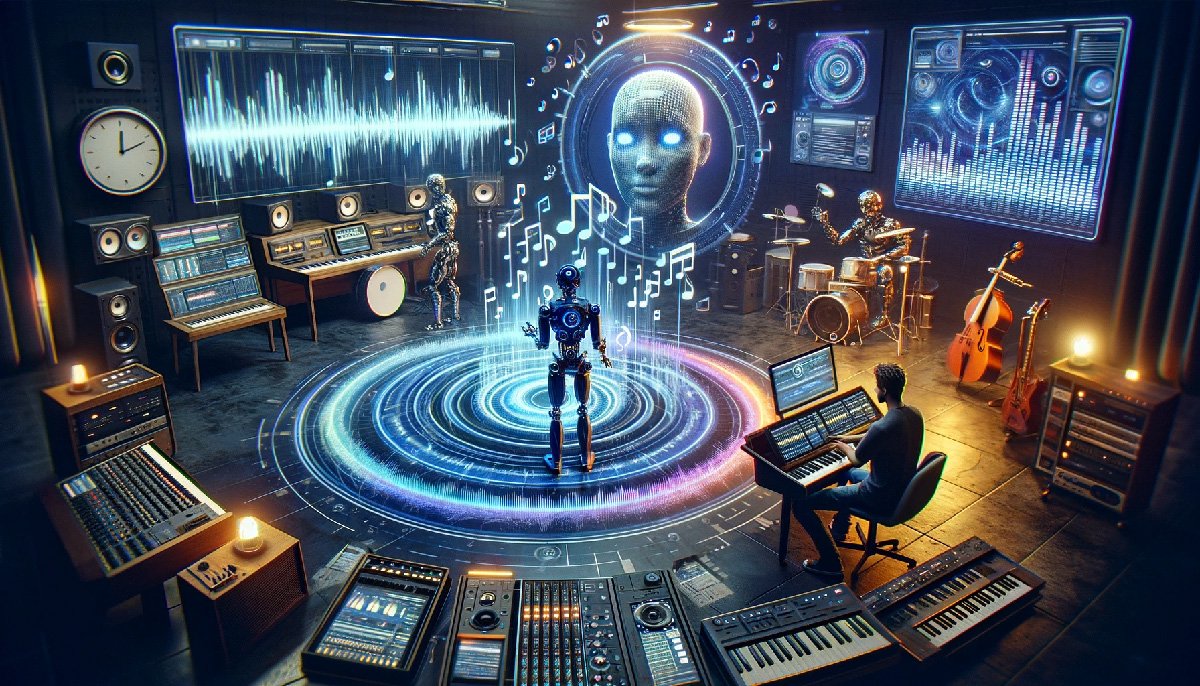
Ultimately, the debate over AI music reveals deeper anxieties about human identity and meaning in an age of automation. When the lyric “Oh I miss her so” is misheard as “All I miss is soul,” the mishearing captures something profound about our relationship to machine-generated art . What happens to the soul of music when machines can mimic it?
The answer may lie in the symbolic value of the human touch . In a world where AI can produce music on demand, human-made music may become a connoisseur good a marker not only of resistance, but also of care, intentionality, and cultural distinction . The struggle over musical meaning is not ending; it is being remixed.
As we navigate this new landscape, the challenge is not to reject technology, but to ensure that AI serves human creativity rather than replacing it. This requires a radical transformation in how we conceptualize music, treat musicians, and protect cultural heritage. The future of music depends not on the capabilities of our algorithms, but on the values we choose to encode in them .