The global music scene is in a constant state of flux. While legendary hubs like Nashville, London, and Los Angeles will always hold their iconic status, the digital age and shifting economic realities have democratized music creation. This has paved the way for a new generation of urban centers to rise, becoming the fertile ground for the next wave of sonic innovation. These are not just cities with a few good bands; they are ecosystems vibrant, interconnected networks of artists, producers, venues, labels, and, most importantly, passionate audiences.
This definitive guide delves deep into the most promising emerging music cities poised to dominate the cultural conversation in 2025. We will move beyond simple listings to explore the unique sonic identities, the economic and social forces fueling their growth, and the specific neighborhoods and venues that make them unmissable destinations for any serious music lover.
A. Lisbon, Portugal: The Atlantic Melting Pot
Once a well-kept secret on the European circuit, Lisbon has exploded onto the global stage. The city’s allure is multifaceted: sun-drenched aesthetics, a relatively low cost of living, and a rich musical heritage that is being radically reimagined by a new generation.
A. The Sonic Landscape: Lisbon’s sound is a captivating blend. It’s deeply rooted in the melancholic poetry of Fado, but this tradition is now being fused with everything from analog synth-wave and dream pop to kuduro and Afro-house. The result is a warm, textured, and rhythmically complex sound that feels both nostalgic and futuristic.
B. Key Neighborhoods and Venues:
-
Alcântara: Home to Lx Factory, a former industrial complex turned creative village, hosting everything from indie rock gigs at the tiny, gritty Music Box to electronic nights in its various warehouses.
-
Cais do Sodré: The once-notorious pink street is now a hub of eclectic nightlife. Rocks Rendezvous Bar remains an institution for rock and roll, while smaller clubs push the boundaries of electronic music.
-
Intendente: A more gritty, up-and-coming area with a thriving underground scene. Venues like Zé dos Bois (ZDB) are crucial for the experimental and avant-garde community.
C. Driving Forces: Portugal’s favorable tax policies for foreign residents (the Non-Habitual Resident regime) initially attracted an international crowd of artists and digital nomads. This influx, combined with a strong local conservatory culture and government grants for the arts, has created a perfect storm of creativity. Furthermore, the success of homegrown talents like the electro-pop project First Breath After Coma and the international recognition of the Nos Alive festival have solidified Lisbon’s status.
B. Mexico City, Mexico: The Colossal Creative Juggernaut
Mexico City is not just emerging; it’s asserting its dominance. As one of the world’s largest metropolises, its music scene is as vast and diverse as its population. It’s a city where every genre, from classic rock en español to the hardest techno, finds a fervent and knowledgeable audience.
A. The Sonic Landscape: Expect a thrilling lack of a single “sound.” The city thrives on plurality. However, a significant trend is the fusion of traditional Latin rhythms with global genres. You’ll find cumbia infused with disco, mariachi samples in hip-hop beats, and a powerful independent scene producing world-class indie rock, dream pop, and shoegaze.
B. Key Neighborhoods and Venues:
-
Roma & Condesa: These trendy, tree-lined neighborhoods are the epicenter of the hipster scene. Foro Normandie and Imperial Pub host a constant stream of local and international indie acts.
-
Centro Histórico: For a more raw, authentic experience. Plaza Garibaldi is the legendary home of mariachi bands, while venues like Pata Negra cater to a younger, rock-and-roll crowd.
-
Industrial Zones: The city’s true underground pulse beats in converted factories and warehouses in neighborhoods like Naucalpan, where clubs like Yu Yu host marathon techno and house sessions.
C. Driving Forces: A youthful population, a thriving art world, and a relatively low cost of living (compared to other global capitals) empower artistic experimentation. The city’s sheer size guarantees an audience for even the most niche genres. Digital platforms have allowed Mexican artists to build a global following without needing to relocate, turning the city itself into a content creation hub.
C. Seoul, South Korea: The Polished Powerhouse Beyond K-Pop
The world knows Seoul for the meticulously crafted global phenomenon of K-Pop. But to reduce the city’s music scene to this one genre is to miss a far more fascinating and rebellious underground culture.
A. The Sonic Landscape: Beneath the glossy surface of K-Pop lies a dynamic world of indie rock, jazz, hip-hop, and electronic music. The “Seoul Sound” in these circles is often characterized by high technical proficiency, a blend of digital and organic instrumentation, and lyrical themes that grapple with the intense pressures of modern Korean society.
B. Key Neighborhoods and Venues:
-
Hongdae: The historic and undisputed heart of the Korean indie scene. Built around Hongik University, known for its fine arts programs, the area is packed with tiny live clubs. Club FF is a legendary spot for rock and roll, while Club Evans caters to jazz aficionados.
-
Itaewon: With a more international, cosmopolitan vibe, Itaewon is the home of Seoul’s house and techno scene. Cakeshop is a globally recognized basement club known for its cutting-edge bookings.
-
Mullae-dong: An emerging arts district, often called the “New Hongdae,” where artists have set up studios in old metal workshops. The venues here are more raw and experimental.
C. Driving Forces: Decades of government investment in cultural exports (the “Korean Wave” or Hallyu) have built a formidable infrastructure for music production, from world-class studios to marketing agencies. This infrastructure, paradoxically, also supports the indie scene, which is populated by conservatory-trained musicians rebelling against the mainstream system. A deep-rooted cafe culture also provides countless intimate spaces for live acoustic performances.
D. Berlin, Germany: The Eternal Underground

It may seem counterintuitive to include Berlin, a city long synonymous with electronic music. However, its status as an “emerging” city is perpetual because of its relentless reinvention. While techno is its backbone, the city’s creative energy continues to spawn new subgenres and artistic movements.
A. The Sonic Landscape: Berlin is the global capital of techno a fact cemented by UNESCO’s recognition of its club culture as an intangible cultural heritage. The sound is typically minimal, hard, and hypnotic. However, there is a growing and vibrant scene for experimental ambient, post-punk, and a new wave of guitar-based music that draws on the city’s cold, industrial history.
B. Key Neighborhoods and Venues:
-
Kreuzberg & Friedrichshain: These adjacent districts are the nerve center. Berghain/Panorama Bar needs no introduction, the mythical door-policy club that defines techno purism. Elsewhere, ://about blank and Griessmuehle (before its closure) represented a more community-oriented, left-wing club culture.
-
Neukölln: The current hotspot for a more budget-conscious and diverse artistic community. The venues here are smaller, often doubling as bars or art spaces, and host a wide array of experimental noise, indie, and electronic acts.
C. Driving Forces: Berlin’s unique history of division and reunification created vast swathes of abandoned space in the city center after the Wall fell. This, combined with low rent (a situation that is rapidly changing) and a liberal attitude towards nightlife, created a vacuum that artists and club promoters filled. A special “Club Commission” actively lobbies the city government to protect club culture, treating it not as entertainment but as a vital part of the city’s economy and identity.
E. Accra, Ghana: The Rhythm of the African Future
Accra is at the heart of Africa’s cultural renaissance, and its music scene is a primary driver. The city pulses with a contagious energy, and its signature sound, Afrobeats, has become a dominant force on the global charts.
A. The Sonic Landscape: While the world knows Afrobeats, the local scene is a rich tapestry. It includes Hiplife (a fusion of highlife and hip-hop), Gospel, and a burgeoning alternative scene. The sound is inherently rhythmic, built on complex drum patterns, and is overwhelmingly optimistic and danceable.
B. Key Neighborhoods and Venues:
-
Osu: A bustling commercial and entertainment district. Bloom Bar and Front/Back are key venues for experiencing live bands and DJs playing the latest Afrobeats and hip-life hits.
-
Labadi & Airport Residential Area: Home to upscale lounges and clubs that attract a more international crowd but still feature top-tier local talent.
-
Community Hubs: Much of Accra’s music life happens at pop-up events, beach parties (like the famous Accra [Dot] Alt Radio events at Labadi Beach), and community centers, reflecting a fluid and social scene.
C. Driving Forces: The global success of artists like Sarkodie, Shatta Wale, and the “Afrobeats to the World” movement has created immense pride and a viable career path for musicians. The widespread adoption of mobile money and digital streaming platforms across Africa has made it easier for artists to monetize their work directly. Furthermore, a wave of cultural festivals like Afrochella (now Afrofuture) has positioned Accra as a pilgrimage site for the African diaspora.
F. Belgrade, Serbia: The Balkan Phoenix
Rising from a complex and often turbulent history, Belgrade has cultivated a music scene defined by raw passion, resilience, and a unique blend of Eastern and Western influences. It’s a city where music is not just entertainment; it’s a form of catharsis.
A. The Sonic Landscape: Belgrade has a storied history of turbo-folk, but its emerging identity is far more diverse. There is a powerful indie rock scene, a sophisticated jazz community, and a fiercely independent electronic music circuit that draws on Balkan folk melodies, creating a sound that is both melancholic and euphoric.
B. Key Neighborhoods and Venues:
-
Savamala: This regenerated quarter along the Sava River is the epicenter of the alternative scene. KC Grad is a multidisciplinary cultural center that is essential for live music and discussions.
-
The Barges (Splavovi): A quintessential Belgrade experience. Dozens of converted river barges moored along the Sava and Danube rivers become pulsating nightclubs, each catering to a specific genre, from rock and roll to techno.
-
Dorćol: A historic neighborhood with a bohemian flair, known for its cafes and smaller bars that host acoustic sets and jazz trios.
C. Driving Forces: The post-Yugoslav era fostered a DIY (“Do-It-Yourself”) ethos that remains strong. With less reliance on large corporate entities, the scene is built by passionate individuals. The city’s difficult past has created art that is deeply felt and emotionally charged. Furthermore, its central location in the Balkans and low cost of living make it a natural hub for regional talent and international visitors seeking an “authentic” experience.
G. Tijuana, Mexico: The Borderland Innovator
Situated at one of the world’s most crossed international borders, Tijuana’s identity is defined by hybridity. This constant flow of people, ideas, and cultures has made it a petri dish for some of the most exciting and original music in the Latin world.
A. The Sonic Landscape: Tijuana is the birthplace of Nortec, a genre that fuses traditional Mexican Norteño music (accordion, tuba) with electronic beats and techno. This spirit of fusion continues today. The city’s sound is a gritty, psychedelic, and irreverent mix of cumbia, rock, hip-hop, and noise.
B. Key Neighborhoods and Venues:
-
Zona Centro (Downtown): The heart of the action. Dandy del Sur is a legendary bar that feels frozen in time, hosting eclectic bands. Norte Brewing Company and other newer venues cater to a younger crowd.
-
Avenida Revolución: The famous tourist strip has been reclaimed by locals, with new bars and art spaces popping up amidst the old curio shops.
C. Driving Forces: The physical and cultural proximity to the United States, specifically Southern California, is the primary engine. Artists can draw from both Mexican tradition and the Anglo indie rock/punk scene. The city’s “underdog” status, often overshadowed by Mexico City, fuels a creative desire to prove itself. Economic factors also play a role, as it’s more affordable than its northern neighbor, San Diego, allowing artists to live and work with greater freedom.
H. Brisbane, Australia: The Sun-Drenched Underdog
For decades, Brisbane lived in the shadow of Sydney and Melbourne. But a combination of public investment, a supportive local community, and a string of global successes has propelled the Queensland capital into the spotlight.
A. The Sonic Landscape: Brisbane has a reputation for producing heavy, riff-based rock bands. However, the current scene is incredibly diverse, spanning blissful indie pop, sophisticated electronica, and a strong roots/reggae scene, all infused with a distinctly laid-back, subtropical vibe.
B. Key Neighborhoods and Venues:
-
Fortitude Valley: Officially designated as Queensland’s Entertainment Precinct, “The Valley” is the undeniable hub. It’s home to iconic venues like The Triffid (built in a former WWII hangar) and The Zoo, which has supported indie music for over 30 years.
-
West End: A more bohemian neighborhood with a focus on smaller, community-oriented bars and live music pubs.
C. Driving Forces: The “River City” has benefited massively from government and radio station support (like the influential 4ZZZ). The success of homegrown bands like The Go-Betweens in the past created a legacy, while contemporary breakouts like The Jungle Giants and WAAX have shown that a sustainable career can be built from Brisbane. A strong sense of community and collaboration, rather than cut-throat competition, defines the local ethos.
How to Truly Experience an Emerging Music Scene
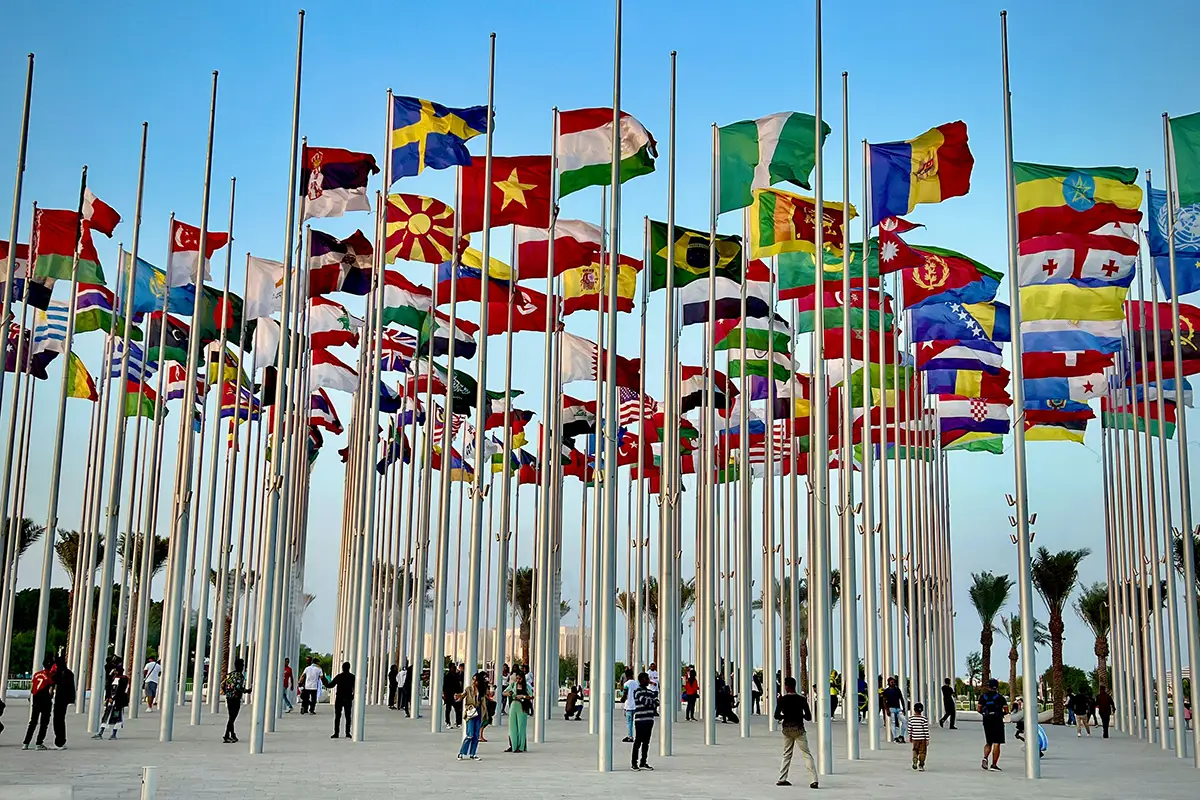
Visiting these cities requires a strategy different from simply buying a ticket to a stadium show. To truly tap into the pulse, you must go local.
A. Follow Local Curators: Find local blogs, record stores, and radio stations on social media. In Lisbon, follow Rádio Quântica; in Mexico City, follow Noiz magazine; in Seoul, follow Dope magazine.
B. Embrace the Small Venues: The magic happens in the 200-capacity rooms and basements. Skip the arena and spend three nights in different small clubs.
C. Talk to People: The barista, the record store clerk, the person next to you at the show—they are your best source for the “tonight only” warehouse party or the unlisted house show.
D. Explore Beyond the City Center: The most exciting scenes often develop in the peripheries where rent is cheaper. Take the train or bus to these emerging artistic neighborhoods.
The Future of Music is Geographic
The story of music in 2025 is a story of place. In a digitally saturated world, the craving for authentic, local, and community-driven experiences is stronger than ever. These eight cities Lisbon, Mexico City, Seoul, Berlin, Accra, Belgrade, Tijuana, and Brisbane offer more than just new playlists; they offer a window into the future of global culture. They prove that the next sound to capture the world’s imagination is just as likely to come from a riverside barge in Belgrade or a converted factory in Naucalpan as it is from a state-of-the-art studio in Los Angeles. The map of music is being redrawn, and for the adventurous listener, the journey has just begun.