The music industry has always been a landscape of constant evolution, but the year 2026 marks a watershed moment that transcends anything we have witnessed before. The rigid categorical boxes that once defined musical expression rock, pop, jazz, classical, electronic, hip-hop, and countless others are dissolving into a fluid, borderless creative ecosystem. This phenomenon, widely recognized as the post-genre movement, represents not merely a trend but a fundamental restructuring of how music is created, consumed, and valued in contemporary culture. As we navigate through 2026, the post-genre revolution has fundamentally altered the sonic landscape, creating unprecedented opportunities for artistic expression while simultaneously challenging traditional industry structures, marketing approaches, and audience expectations. This comprehensive exploration delves deep into the multifaceted dimensions of this musical transformation, examining the technological drivers, cultural shifts, economic implications, and creative possibilities that define this remarkable era in musical history.
The Historical Context: From Genre Boundaries to Sonic Fluidity
Understanding the post-genre phenomenon requires examining the historical trajectory of musical categorization. For decades, genres served as essential navigational tools for listeners, radio programmers, record store clerks, and music journalists. These categorical systems provided a shared language for discussing music, helped audiences discover new artists, and created communities of like-minded listeners. However, these same boundaries also constrained creativity, pigeonholed artists, and perpetuated hierarchical value systems that often marginalized innovative work that defied easy classification.
The roots of genre fluidity can be traced back to the late twentieth century, when artists like David Bowie, Prince, and Kate Bush deliberately blurred musical boundaries, refusing to be confined by conventional categories. The emergence of hip-hop as a genre that inherently sampled and recontextualized existing music further accelerated this boundary dissolution. By the early 2000s, digital music platforms began challenging traditional genre classifications, as streaming services developed increasingly sophisticated algorithms that prioritized listening patterns over predetermined categories.
The year 2026 represents the culmination of these historical currents, where genre classifications have become almost entirely obsolete in the creative process itself. Contemporary artists now approach music creation without considering which genre they are operating within, instead focusing on emotional expression, sonic experimentation, and personal artistic vision. This shift represents not merely a stylistic change but a fundamental philosophical reorientation toward what music can be and how it should be experienced.
The Technological Catalysts Powering the Post-Genre Movement
Artificial Intelligence and Machine Learning Integration
Artificial intelligence has emerged as perhaps the most powerful force driving the post-genre revolution in 2026. Advanced AI music generation tools have evolved far beyond simple loop creation or basic composition assistance. Contemporary AI systems can analyze thousands of songs across every conceivable musical tradition, identifying patterns and relationships that human listeners might never perceive. These systems then generate entirely novel musical structures that draw from this vast database while creating something genuinely unprecedented.
Music producers in 2026 routinely employ AI assistants that suggest harmonic progressions, rhythmic patterns, and sonic textures that transcend traditional genre boundaries. These tools don’t simply replicate existing styles but actively push toward unexplored territories, encouraging artists to venture beyond their comfort zones. The collaborative relationship between human creativity and machine intelligence has produced some of the most innovative music of the decade, with AI acting not as a replacement for human artistry but as an amplifier of creative potential.
Advanced Audio Processing and Sound Design
The technical capabilities available to contemporary musicians have expanded exponentially, making the post-genre approach not just conceptually appealing but practically achievable. Modern digital audio workstations offer processing power that was unimaginable even a decade ago, allowing artists to manipulate sound in ways that transcend traditional instrumental or electronic categories. Granular synthesis, spectral processing, and convolution reverb technologies enable the transformation of any sound source into virtually any other sonic texture.
Spatial audio technologies have also revolutionized the listening experience, with immersive formats like Dolby Atmos and binaural recording creating three-dimensional soundscapes that defy traditional stereo separation. These technologies encourage artists to think beyond conventional arrangements, creating music that surrounds listeners rather than simply addressing them from a fixed position. The spatial dimension adds another layer of complexity to the post-genre landscape, as artists can now consider the physical positioning of sounds as an element of composition, further dissolving boundaries between music and environment.
Blockchain and Decentralized Distribution
The technological infrastructure supporting music distribution has also evolved dramatically, with blockchain technology enabling new forms of direct artist-to-fan relationships. Smart contracts automatically distribute royalties, while tokenization allows fans to invest directly in artists’ careers. These decentralized systems reduce the gatekeeping power of traditional record labels, allowing more experimental post-genre artists to find audiences without needing to conform to commercial expectations.
Non-fungible tokens (NFTs) have evolved beyond simple digital collectibles to become sophisticated tools for fan engagement and community building. Artists in 2026 frequently release music through NFT platforms that offer exclusive content, behind-the-scenes access, and participatory experiences. These direct relationships between creators and audiences further weaken the traditional genre-based marketing structures, as fans discover music through personal connections rather than categorical associations.
The Creative Process in a Post-Genre World

Breaking Traditional Compositional Frameworks
Contemporary music creation in 2026 bears little resemblance to traditional composition methods. Where previous generations might have approached songwriting with genre-specific expectations verse-chorus-bridge structures for pop, twelve-bar blues for rock, specific formal patterns for classical modern artists begin with emotional intention or conceptual frameworks rather than musical templates.
Compositional software now allows for non-linear creation, where artists can build soundscapes from fragments, loops, and textures rather than following linear progressions. This modular approach encourages experimentation and serendipity, as unexpected combinations of sounds can lead to entirely new musical territories. Many artists report beginning their creative process with abstract concepts or visual imagery, translating these non-musical ideas into sound without reference to existing categorical frameworks.
The Role of Improvisation and Spontaneity
Improvisation has experienced a renaissance in the post-genre era, though in forms quite different from traditional jazz or classical cadenzas. Contemporary improvisation often involves real-time manipulation of electronic sounds, collaborative interaction with AI systems, or spontaneous adaptation of samples and field recordings. This improvisational approach naturally resists genre categorization, as each performance exists as a unique sonic event rather than a reproducible example of a defined style.
Live performances in 2026 frequently incorporate elements of chance and audience participation, further blurring the boundaries between composition, performance, and listening. Artists may invite audience members to contribute sounds through mobile devices, manipulate real-time visual projections based on environmental data, or create generative systems that evolve differently with each performance. These interactive approaches ensure that no two performances are identical, celebrating the ephemeral nature of musical experience rather than attempting to reproduce studio recordings.
Collaborative Networks and Cross-Disciplinary Partnerships
The post-genre movement has fostered unprecedented collaboration across artistic disciplines. Musicians routinely partner with visual artists, choreographers, poets, architects, and technologists to create immersive experiences that transcend traditional boundaries between artistic forms. These collaborations inevitably produce music that defies simple categorization, as the creative constraints and inspirations from other disciplines push musicians toward unexpected territories.
Digital collaboration platforms enable artists from different continents and cultural traditions to work together seamlessly, creating hybrid forms that reflect diverse influences. A producer in Tokyo might collaborate with a classical string quartet in London, a beatmaker in São Paulo, and a vocalist in Lagos, all contributing to a single work that synthesizes these disparate elements into a coherent whole. These global collaborations naturally resist genre classification, as they draw from multiple traditions simultaneously.
The Audience Experience in 2026
Curatorial Culture and Personalized Discovery
The way audiences discover and consume music has undergone radical transformation in the post-genre era. Traditional genre-based categorization has been largely replaced by sophisticated recommendation algorithms that analyze listening behavior, emotional responses, and contextual factors. These systems might recommend music based on the time of day, the listener’s heart rate, their current activity, or their emotional state, creating deeply personalized discovery experiences.
Listeners in 2026 rarely describe their musical preferences in terms of genre allegiance. Instead, they might speak of “music that feels like morning light” or “sounds that help me focus.” This experiential vocabulary reflects the post-genre philosophy that music’s value lies not in its categorical identity but in its emotional and functional effects. Curatorial platforms have emerged to help listeners navigate this expansive landscape, with human experts and AI systems working together to create personalized sonic journeys.
Immersive and Participatory Listening
The listening experience itself has become more active and immersive, moving beyond passive consumption to active participation. Virtual and augmented reality technologies allow listeners to enter the soundscape, moving through three-dimensional audio environments and even manipulating elements of the music in real-time. These technologies transform listening from a relatively passive activity to an engaged, exploratory experience.
Social listening has also evolved, with platforms enabling synchronized listening sessions across geographic distances. Friends might gather in virtual spaces to experience new releases together, with the technology facilitating shared reactions and discussions. These social dimensions of listening create community bonds that transcend genre affiliations, as connections form around shared experiences rather than shared categorical preferences.
The Return of Physical Formats and Ritual
Interestingly, the post-genre era has witnessed a revival of interest in physical music formats, though with contemporary interpretations. Limited edition vinyl, cassette, and CD releases often feature elaborate packaging, interactive elements, and exclusive content, creating objects that function as artifacts of the listening experience rather than mere carriers of audio. These physical objects often include visual art, poetry, or tactile elements that extend the creative vision beyond sound alone.
Listening rituals have also gained renewed importance, with many fans creating intentional spaces and practices for engaging with music. These rituals might include specific lighting arrangements, mindfulness practices, or social gatherings that frame the musical experience as something worthy of focused attention. This ritualistic approach reflects the post-genre philosophy that music’s value transcends entertainment, serving as a vehicle for personal growth, emotional processing, and community connection.
Economic Implications for the Music Industry
New Revenue Models and Value Creation
The post-genre movement has forced a fundamental reconsideration of how value is created and captured in the music industry. Traditional revenue streams, from recorded music sales to streaming royalties, increasingly serve as supplements to more diverse income sources. Artists in 2026 typically generate revenue through a portfolio of activities, including live performances, merchandise, licensing, fan subscriptions, educational content, and creative collaborations.
The live performance sector has experienced particular growth, as the immersive, participatory nature of contemporary music lends itself to experiential events. Festival organizers now curate lineups based on artistic vision and creative cohesion rather than genre compatibility, creating event experiences that reflect the post-genre philosophy. These events often combine music with visual art, technology demonstrations, culinary experiences, and wellness activities, expanding the value proposition beyond mere entertainment.
Independent Artist Empowerment
The technological and cultural shifts enabling the post-genre movement have also empowered independent artists, reducing dependence on traditional industry gatekeepers. Direct distribution platforms, social media marketing, and blockchain-based funding mechanisms allow artists to build sustainable careers without major label support. This democratization of the industry has encouraged greater artistic risk-taking, as artists can follow creative impulses rather than commercial calculations.
Independent artists in 2026 often function as multi-faceted creative entrepreneurs, managing not only their music but also visual branding, community engagement, merchandise design, and strategic partnerships. This entrepreneurial approach requires diverse skills beyond musical ability, but the rewards include creative freedom, direct fan relationships, and more favorable economic terms than traditional label deals typically offered.
The Transformation of Record Labels
Traditional record labels have been forced to evolve dramatically in response to the post-genre movement. The few labels that have survived have transformed from gatekeepers and distributors to partners and facilitators, providing resources and expertise while respecting artistic autonomy. These contemporary labels function as service providers rather than authorities, offering marketing, logistics, legal support, and strategic guidance without demanding creative control.
Many labels have developed specialized expertise in niche areas immersive audio production, blockchain strategy, experiential event production that complement artists’ skills rather than overriding them. This supportive approach aligns with the post-genre philosophy, as labels position themselves as enablers rather than arbiters of musical value.
Challenges and Criticisms of the Post-Genre Movement
The Loss of Cultural Identity and Community
Despite its creative liberating potential, the post-genre movement has faced legitimate criticism regarding the erosion of cultural identity and community. Genre categories have historically provided frameworks for cultural expression, helping communities articulate shared experiences and values. Some critics argue that the dissolution of these categories represents a form of cultural homogenization, where distinctive traditions are subsumed into a bland global aesthetic.
This concern has prompted some artists and communities to deliberately reclaim genre identities, not as limiting categories but as conscious creative foundations. These artists might embrace the tools and techniques of post-genre creation while maintaining connections to specific cultural traditions, creating works that honor heritage while exploring new territories. The tension between global fluidity and cultural specificity represents one of the most dynamic aspects of the contemporary music landscape.
The Challenge of Meaningful Critical Discourse
The post-genre landscape has complicated critical discourse, as traditional evaluative frameworks often rely on genre-specific criteria. Critics in 2026 must develop new vocabularies and analytical approaches that can address music without reference to conventional categories. This challenge has prompted a flourishing of critical experimentation, with reviewers employing diverse frameworks drawn from philosophy, psychology, cultural studies, and even data science.
Some critics have embraced the post-genre ethos by focusing their evaluations on experiential dimensions emotional impact, conceptual coherence, technical innovation, and listening engagement rather than categorical placement. This approach aligns with the post-genre philosophy while providing listeners with meaningful guidance for navigating the expansive contemporary landscape.
Economic Disparity and Access Concerns
The technological sophistication required for post-genre music creation has raised concerns about economic access and equity. High-end audio processing software, immersive audio equipment, and AI composition tools represent significant investments that may be inaccessible to emerging artists from disadvantaged backgrounds. This creates potential for a new form of creative stratification, where those with resources can access the most advanced tools while others remain constrained.
Efforts to address these concerns have included open-source software development, community studios, and educational programs that provide access to technology and training. Some platforms have also developed subsidized programs for artists from underrepresented communities, attempting to ensure that the post-genre movement remains inclusive rather than exclusive. The success of these initiatives will significantly influence the long-term trajectory of the post-genre revolution.
The Global Dimensions of Post-Genre Music
Cultural Exchange and Synthesis
The post-genre movement has accelerated cultural exchange and synthesis on a global scale, as artists draw inspiration from musical traditions around the world without the constraints of authenticity policing or cultural ownership debates. While these exchanges can be problematic when they involve appropriation without attribution or compensation, many artists approach cross-cultural collaboration with sensitivity and respect, acknowledging their sources and sharing benefits equitably.
Platforms for global collaboration have made international partnerships more accessible, enabling artists from different traditions to create works that synthesize diverse influences. These collaborations often produce music that defies simple cultural attribution, reflecting the complex, interconnected nature of contemporary global culture. The resulting works provide listeners with access to aesthetic experiences they might never encounter within traditional genre or cultural frameworks.
Regional Variations and Local Expressions
While the post-genre movement represents a global phenomenon, it manifests differently across regions and communities. Artists in different cultural contexts have developed distinctive approaches to genre fluidity, reflecting local aesthetic values, technological resources, and cultural priorities. These regional variations demonstrate that post-genre creation doesn’t mean cultural homogenization but rather the adaptation of fluid approaches to specific contexts.
In some regions, post-genre practices coexist with strong genre traditions, creating productive tensions between innovation and preservation. Artists might work within established genres for certain projects while exploring fluid approaches for others, moving between modes as creative inspiration dictates. This flexibility has enriched the global music landscape, offering audiences diverse experiences while supporting cultural continuity.
The Future Trajectory Beyond 2026
Integration with Virtual and Augmented Realities
Looking toward the future beyond 2026, the integration of music with virtual and augmented reality technologies promises to further expand post-genre possibilities. As these technologies become more sophisticated and accessible, artists will increasingly create works designed specifically for immersive environments, where sound, visuals, and interactivity merge into unified experiences. These works may transcend music entirely, becoming new art forms that resist any categorical placement.
The development of haptic technologies systems that provide tactile feedback will add another dimension to the listening experience, allowing audiences to physically feel musical elements. This multisensory approach to musical experience will further dissolve boundaries between art forms and sensory modalities, creating experiences that demand entirely new vocabularies for description and evaluation.
The Evolution of AI and Human Collaboration
The relationship between human artists and AI systems will continue evolving, with future developments potentially enabling even more sophisticated collaborations. Some artists already view AI as a creative partner rather than a tool, developing ongoing relationships with systems that evolve alongside their human collaborators. These partnerships produce work that neither human nor machine could create independently, representing genuinely novel creative possibilities.
Ethical considerations around AI creativity will likely intensify, as questions of authorship, ownership, and attribution become more complex. The development of legal frameworks and ethical guidelines for AI-assisted creation will significantly influence the trajectory of post-genre music, potentially shaping what kinds of collaborations are recognized and valued.
Sustainable Practices and Environmental Consciousness
The post-genre movement has increasingly intersected with environmental consciousness, as artists consider the ecological implications of their creative practices. Touring, physical production, and digital infrastructure all have environmental costs, prompting many artists to explore more sustainable approaches. These considerations have led to innovations in virtual performance, local production, and carbon-offset programs that reduce environmental impact.
Some artists have incorporated environmental themes directly into their work, creating music that responds to climate change, ecological degradation, and sustainability. These works often employ field recordings from endangered environments, sonify climate data, or explore the relationship between human culture and natural systems. This environmental dimension adds another layer to post-genre philosophy, positioning music as part of broader ecological and social systems.
Conclusion: The Enduring Significance of the Post-Genre Revolution
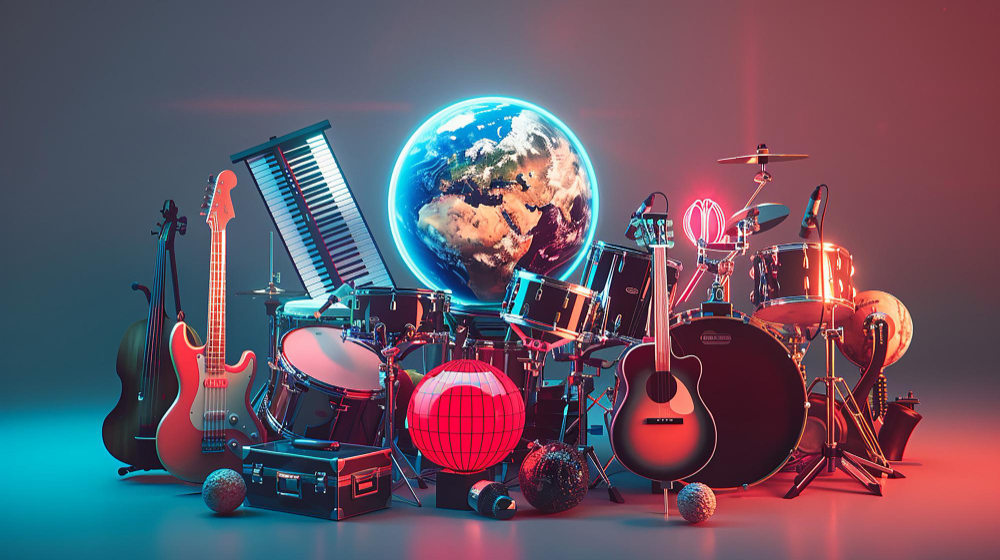
The post-genre movement of 2026 represents not merely a passing trend but a fundamental reorientation of musical culture with lasting implications. By dissolving the boundaries that once segmented musical expression, contemporary artists have opened unprecedented creative possibilities while challenging audiences to develop new ways of listening and experiencing. The technological, cultural, and economic dimensions of this movement interconnect to create a landscape that is simultaneously more accessible and more complex than anything that preceded it.
The post-genre revolution has democratized creation, diversified expression, and deepened the relationship between artists and audiences. It has challenged traditional power structures while creating new opportunities for independent creators. It has expanded the vocabulary of musical expression while raising important questions about cultural identity, economic equity, and environmental responsibility.
As we look beyond 2026 toward an uncertain future, the principles of the post-genre movement fluidity, collaboration, experimentation, and experiential focus provide a foundation for continued innovation. The music that will emerge in coming years may bear little resemblance to current forms, but it will carry forward the spirit of boundary dissolution that defines this remarkable era. The post-genre revolution, in its essence, is a celebration of creative freedom and human expression, asserting that music’s true value lies not in its categorical placement but in its capacity to move, inspire, and connect us across all boundaries of culture, geography, and tradition.