The music industry’s digital landscape is constantly evolving, and for marketers and artists alike, understanding the financial mechanics of online advertising is crucial. As we move into 2026, the competition for listener attention is fiercer than ever. Platforms are refining their algorithms, and the cost of reaching audiences is fluctuating based on a myriad of factors, from global economic trends to platform-specific policy changes.
For any music professional looking to maximize their return on investment, the concept of “High CPC Keywords” becomes a central pillar of strategy. But what exactly makes a keyword valuable, and how can you leverage this knowledge to not only reach listeners but also to generate substantial revenue through platforms like Google Adsense or direct sales? This comprehensive guide will delve into the intricacies of high-value keywords for the music industry, providing a roadmap for success in 2026.
Understanding the Value of a Keyword
Before diving into specific terms, it’s essential to understand what makes a keyword “high CPC.” Cost-per-click (CPC) is the amount an advertiser pays each time a user clicks on their ad. In the world of music, this can range from a few cents to several dollars. High CPC keywords are typically those with high commercial intent, meaning the user is actively looking to make a purchase or take a significant action, such as buying concert tickets, subscribing to a premium streaming service, or purchasing high-end audio equipment. These keywords are the golden ticket for advertisers because they often lead to conversions, making the ad spend worthwhile. For content creators and website owners, targeting these terms can significantly boost AdSense revenue.
The 2026 Landscape: Key Platforms and Their Economics
The music advertising ecosystem in 2026 is dominated by a few major players, each with its unique cost structures and audience demographics. Understanding these platforms is key to deploying a successful keyword strategy.
Meta (Facebook & Instagram)
Meta remains a powerhouse for retargeting and conversion intent. However, it is often the most expensive platform. The typical CPM (Cost Per Mille, or cost per 1,000 impressions) ranges from $8 to $25, with CPCs for clicks falling between $0.40 and $1.50. This higher cost is often justified by the platform’s sophisticated targeting capabilities, allowing advertisers to reach users based on their interests, behaviors, and even past interactions with their music.
TikTok
TikTok has emerged as the undisputed king of music discovery. Its algorithm is unparalleled in its ability to surface new artists and sounds to a massive, engaged audience. For top-of-funnel discovery, TikTok offers a more cost-effective solution, with CPMs between $4 and $10 and CPCs between $0.35 and $1.00. The platform’s “Spark Ads,” which allow you to boost organic content, are particularly effective, often outperforming standard in-feed ads by 20-30% in engagement.
YouTube
YouTube is the primary destination for music video consumption. Its cost-per-view (CPV) model is relatively low, with in-stream ads costing between $0.02 and $0.10 per view. This makes it an excellent platform for building a narrative and showcasing the visual aspect of an artist’s brand. Furthermore, content uploaded to YouTube can generate significant AdSense revenue over time, with RPMs (Revenue Per Mille) reaching up to $5.28 for standard content and higher for specific territories like Denmark or the US.
Spotify
Spotify’s advertising ecosystem is unique as it targets listeners within the platform. Spotify Marquee, a sponsored recommendation, costs between $0.20 and $0.50 per listener reached, and it is often cited as being up to 10 times more efficient than social ads for converting listeners. Starting in 2026, Spotify has also adjusted its display campaign delivery to a standard pacing model over 10-14 days, aiming for more sustained momentum and reliable reach. With a minimum budget of just $100, it provides an accessible entry point for targeted promotion.
A. High CPC Keyword Categories for Music Ads in 2026
Based on the commercial intent and competitive nature of the music industry, keywords can be categorized into several high-value buckets.
1. Concert and Event Tickets
This category is the perennial heavyweight champion of high CPC. The commercial intent is unmistakable. Users searching for these terms are ready to make a purchase.
-
High-Value Terms: “Buy concert tickets,” “[Artist Name] tour 2026,” “cheap [City] concert tickets,” “VIP concert packages,” “music festival passes.”
-
Why They’re Valuable: Ticket prices are high, and the margins for advertisers (ticket vendors, resellers) are substantial. The competition for these keywords is fierce, driving up the CPC. An advertiser knows that a single click leading to a ticket sale can cover the cost of dozens of clicks.
2. Premium Audio Equipment and Software
The creator economy is booming, and musicians, podcasters, and audiophiles are constantly seeking the best gear. This is another high-intent category.
-
High-Value Terms: “Best studio headphones 2026,” “professional audio interface,” “buy MIDI keyboard,” “music production software,” “high-end turntable.”
-
Why They’re Valuable: These are expensive, often considered purchases. Advertisers selling these products are willing to pay a premium for a well-qualified lead who is likely to convert.
3. Music Education and Lessons
Online education is a multi-billion dollar industry, and music lessons are a significant part of it. The shift to online learning has only intensified the value of these keywords.
-
High-Value Terms: “Online guitar lessons,” “learn piano app,” “music theory courses,” “vocal coaching online,” “jazz improvisation lessons.”
-
Why They’re Valuable: These keywords target users with a specific goal. Subscription-based learning platforms and individual instructors can justify high ad spend to acquire a long-term, paying student.
4. Brand and Artist Names (Defensive and Offensive)
Often overlooked, bidding on your own brand name or that of similar artists can be highly lucrative.
-
High-Value Terms: “[Your Artist Name] merchandise,” “[Your Artist Name] official store,” “Compare [Artist A] and [Artist B].”
-
Why They’re Valuable: A user searching for a specific artist is often a highly engaged fan, ready to buy merchandise, stream the new album, or attend a concert. Bidding on a competitor’s name (when done carefully and ethically) can be a powerful way to attract a new audience.
B. The Technical Backbone: Understanding CPC and CPM Benchmarks
To truly master music advertising, one must have a firm grasp on the metrics that define campaign success. These benchmarks provide a financial compass for your efforts.
-
CPC (Cost Per Click): As mentioned, this is the cost for each click on your ad. A “good” CPC for the consideration stage in music is generally between $0.30 and $1.50. If your CPC is consistently above this, it might indicate your targeting is too broad or your ad creative isn’t relevant.
-
CPM (Cost Per Mille): This is the cost for 1,000 impressions. It is crucial for awareness campaigns. A healthy range for music is $5 to $20. A low CPM with a poor click-through rate (CTR) is often a hidden loss; it might mean you’re reaching the wrong people.
-
Cost Per Save: This metric is specific to music promotion, measuring the cost of a user saving your song to their library or a playlist. This is a direct conversion goal for many campaigns. A strong cost per save is under $0.50, while anything over $1.50 is generally considered inefficient unless the user’s lifetime value is exceptionally high.
C. The Global Factor: Geo-Targeting’s Impact on CPC
One of the most significant variables in a campaign’s cost is geography. The ad market in Tier 1 countries is saturated and expensive, while Tier 2 markets offer much lower costs.
-
Tier 1 Markets (US, UK, Canada, Australia): These are the most lucrative and competitive. CPMs can soar from $23 to $77 on Meta, driving up the cost per save to $2.51 – $4.70.
-
Tier 2 Markets (Latin America, Southeast Asia, parts of Europe): CPMs drop dramatically to $2 – $9, with a cost per save of $0.24 – $2.40.
Geo-targeting is not just about where your fans are; it’s about where your ad dollars will be most efficient. For artists with a global following, starting with Tier 2 markets to gather data and momentum before scaling into the more expensive Tier 1 regions is often a winning strategy.
D. Creating a Winning Strategy: From Keywords to Conversions
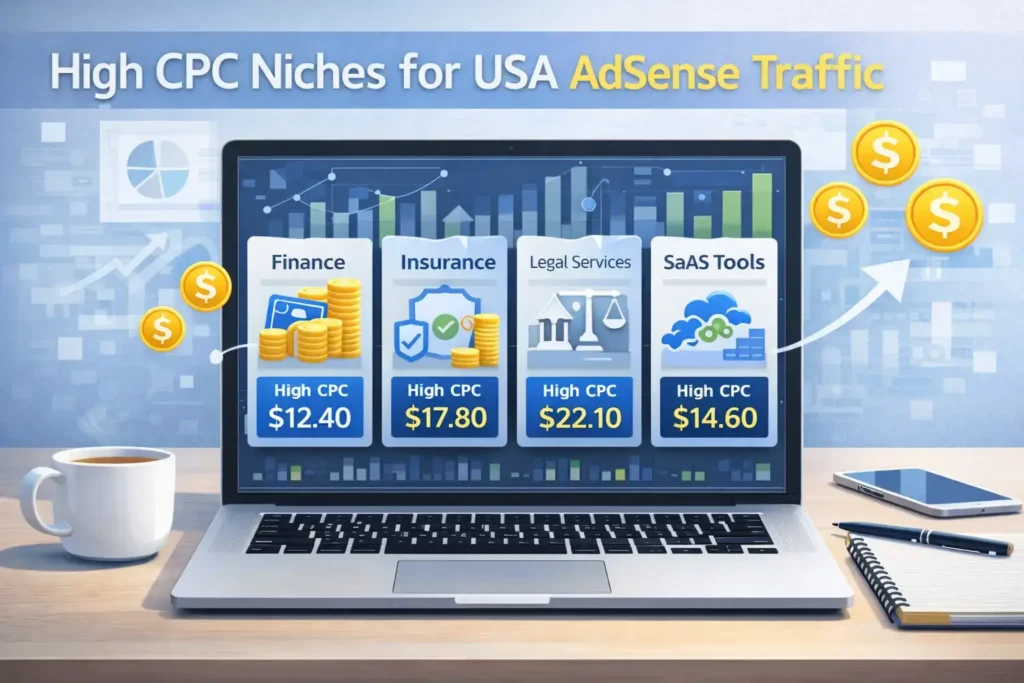
Deploying these keywords effectively requires more than just a list. It requires a strategic campaign structure.
1. Structuring Your Campaigns
Organization is paramount. Group your keywords into ad groups that match your specific offerings.
-
Ad Group 1: Tickets: Keywords like “buy [Artist Name] tickets,” “[City] concert tickets.”
-
Ad Group 2: Merchandise: Keywords like “[Artist Name] hoodie,” “official band merch.”
-
Ad Group 3: Music: Keywords like “[Artist Name] new album,” “stream [Artist Name].”
By keeping these groups separate, your ads can be highly specific. An ad for a hoodie will convert much better than a generic “listen now” ad when someone searches for merchandise.
2. The Power of Negative Keywords
This is a tool that is often underutilized but can save a significant portion of your budget. Negative keywords prevent your ads from showing on irrelevant searches.
-
Example: If you are promoting a paid online music production course, you should add “free,” “torrent,” and “download” as negative keywords. This ensures your ads aren’t wasted on users looking for a free, illegal option. Analyzing your search term reports is crucial for finding new negative keywords to add to your list.
3. Leveraging Data for Optimization
The ad platforms provide a wealth of data. Use it. Regularly check the performance of your keywords and pause or adjust bids for underperformers. If a keyword is receiving clicks but no conversions, perhaps the landing page isn’t aligned with the ad copy. If a keyword has a high impression count but a low click-through rate, the ad itself might not be compelling enough.
E. The Long Game: Royalties and Lifetime Value
The economics of music advertising are nuanced. Unlike selling a physical product, acquiring a new listener generates a long-term revenue stream through royalties. A campaign that spends $0.50 to acquire a save on Spotify might generate $0.60 in royalties over 12 months. This means a campaign can be cash-flow positive in the long run, even if the initial CPC seems high.
-
YouTube Art Tracks: Earn a significant $5.28 RPM on average, meaning a campaign with a high CPC can be partially offset by AdSense payback from the videos themselves.
-
High-RPM Countries: Targeting countries like Denmark ($8.56 RPM) or the US ($7.10 RPM) with video ads can make the acquisition cost more palatable, as the AdSense payback is immediate and substantial.
Conclusion

Navigating the world of high CPC keywords for music ads in 2026 is a complex but rewarding endeavor. Success is not just about identifying the most expensive terms but about creating a holistic strategy that aligns platform choice, geo-targeting, campaign structure, and a deep understanding of your audience’s lifetime value.
The landscape is dynamic; what works today might not work tomorrow. The only constants are the need for continuous learning, regular optimization based on hard data, and a creative approach that connects with listeners on an emotional level. By mastering these elements, you can ensure your music reaches its intended audience efficiently and profitably.