The streets of Kuala Lumpur’s premier shopping district transformed into a pulsating, water-soaked dance floor for three days, igniting a debate that stretched far beyond the city limits. The Rain Rave Water Music Festival (RRWMF), a government-backed initiative held from April 30 to May 2, 2026, turned the usually congested Bukit Bintang thoroughfare into a high-energy party zone. However, the event quickly evolved from a planned tourism booster into a viral sensation, emblematic of the cultural and political tensions simmering within Malaysia.
The festival was organized by the Ministry of Tourism, Arts and Culture (Motac) and ran concurrently with World Labour Day celebrations. It was conceived as a major attraction for the “Visit Malaysia Year 2026” campaign. Despite facing backlash even before it began, the event drew massive crowds, with the Kuala Lumpur police chief reporting more than 7,000 attendees on the opening night and a swelling to approximately 30,000 on its final day. Unofficial estimates put total footfall at around 180,000 over the three days, with millions more watching via social media live streams.
The Spectacle and the Crowd
The RRWMF was a sensory assault in the best possible way for its attendees. The setup itself was a significant upgrade from previous ministry events, featuring a large, revolving stage that allowed performers to engage with crowds on both sides of the street in front of the Pavilion KL mall. The sound system was a key highlight, using delay speakers to create a reverberating, surround-sound experience that many argued surpassed the quality of some ticketed local festivals.
The theme of “rain” was literal. The stage was equipped with water cannons and sprays, and personnel lining the streets continuously drenched attendees with water hoses. This immersive experience was part of the festival’s unique charm. One of the most viral moments featured Tourism, Arts, and Culture Minister Datuk Seri Tiong King Sing himself, who was seen on stage spraying the audience. A video of him taking over a water spray and soaking the crowd while maintaining a straight face during a performance by local girl group Dolla became a social media sensation.
A Stellar Lineup and Cultural Fusion
Beyond the water and spectacle, the festival featured a diverse and impressive lineup of over 30 performers. This blend of local talent and international stars was a key part of Motac’s strategy to appeal to a broad audience. The performers included:
A. Teenage Sensations: The opening day showcased the future of Malaysian music with sets from young DJs like 11-year-old DJ Ameer, alongside DJ Werno, DJ Ethan, and DJ Cube Crusher.
B. Regional and International Collaboration: Attendees were treated to a collaborative set from Singaporean DJ Wukong and the Dutch duo Bassjackers, together known as the Wujackers.
C. Local Music Icons: The festival featured prominent Malaysian stars, ensuring a familiar touch for the local crowd. This included rappers Joe Flizzow and Killa Driz, alongside DJ CZA, and popular girl groups Dolla, De Fam, and Mimifly.
D. A Cultural Showcase: The festival was more than just an EDM party. It integrated elements of Malaysian culture, with the Malaysia Cultural Fashion Show presenting 40 models in traditional attire styled to match the festival theme. There was also a section called the “Rhythm of Flavours” zone, which offered local street food such as fried cempedak and apam balik.
The Unlikely Heroes of the Rain Rave
Despite the vibrant atmosphere and massive turnout, the festival was not without its dark moments. One incident, in particular, captured the world’s attention and highlighted the solidarity of the Malaysian public.
On the final night, a 28-year-old woman armed with a knife was arrested amidst the crowd of 30,000. The situation could have turned into a tragedy, but it was averted by the quick thinking of ordinary festival-goers. A video went viral showing a man bravely intervening, holding the woman’s arm to control the weapon as others rushed in to help, eventually subduing her before police arrived.
This act of heroism was widely praised on social media. User @williamong2862 commented on the unity displayed, saying, “One Malaysia, united as one, protecting everyone regardless of race”. Another user, @belindadwee, praised the calmness of the man who intervened, noting he had two daughters with him at the time. The swift response of both the public and the 500 police personnel deployed each day was credited with ensuring the situation remained under control. Despite this incident, Kuala Lumpur police chief Datuk Fadil Marsus confirmed the festival ran smoothly with no other major issues reported.
The Economic Impact and Claim of RM200 Million
The Ministry of Tourism, Arts and Culture (Motac) championed the festival as a significant economic driver. This claim was strongly supported by the Inbound Tourism Association of Malaysia, whose president, Mint Leong, stated that the festival generated over RM200 million in tourism revenue. This figure was reported alongside the claimed 1.4 billion “clicks” or views across various global social media platforms. The financial justification was a cornerstone of the government’s defense against critics, framing the event as a sound investment in Malaysia’s post-pandemic economic recovery.
However, the RM200 million figure was met with widespread skepticism and ridicule on social media, with many questioning how the number was calculated. Critics argued the math did not add up, considering that an estimated 90% of attendees were locals rather than high-spending international tourists. A Facebook user named John Fernandez offered a counter-calculation, suggesting that even with generous assumptions about hotel bookings, the revenue generated might not exceed RM8 million. This controversy sparked a broader debate about the transparency and methodology of economic impact assessments for government-funded events.
A Cultural and Political Firestorm
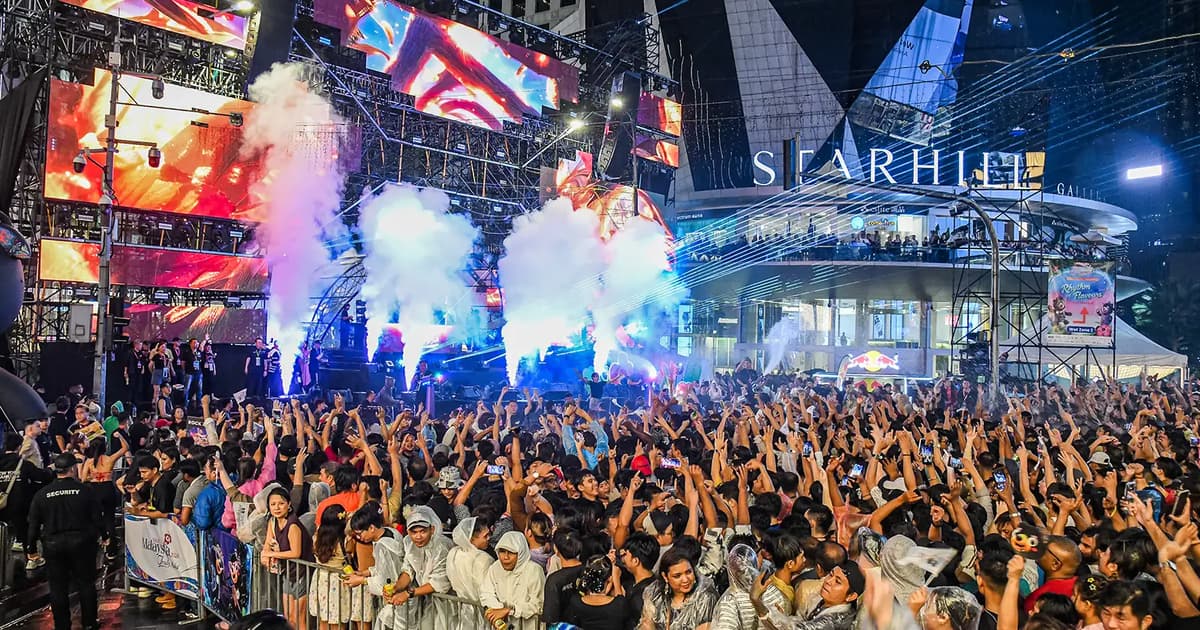
The Rain Rave Festival was more than just a musical event; it became a flashpoint in Malaysia’s ongoing culture wars. Critics from various quarters raised objections long before the first beat dropped. The criticism came from a variety of angles, including political, religious, and social perspectives.
The Islamic authorities and political parties like PAS expressed strong opposition. The Federal Territories Islamic Religious Department (JAWI) expressed regret over the event, urging organizers to reassess its concept to be more sensitive to Malaysia’s multiracial and multi-religious society. PAS described the event as merely a “large-scale street disco” and accused the government of lacking creative ideas for promoting tourism. PAS secretary-general Datuk Seri Takiyuddin Hassan argued that the event did not reflect Malaysia’s national identity and should have been held behind closed doors. Some critics also linked the festival’s use of water to the religious purification rituals of Songkran, labelling it as an attempt to mimic Thai culture, a claim the Minister vehemently denied.
Adding to the controversy, some critics warned of the potential for social ills. Former EDM fan Joe Razak wrote a widely shared post describing such raves as “drug-fests,” recalling the tragic 2014 Bukit Jalil rave where six people died and the 2025 New Year’s Eve incidents where four died from drug overdoses. He argued that such events are magnets for drugs like Ecstasy, which are easily smuggled in despite bag checks. The government’s decision to proceed with the festival, despite a public advisory to scale down celebrations due to a looming economic crisis stemming from the US-Israeli war on Iran, also drew ire from some observers.
Defenders and the Narrative of Progress
In the face of this criticism, the government and its supporters launched a robust defense of the festival. The narrative was two-pronged: it was a necessary economic boon and a symbol of a progressive, modern Malaysia that is not afraid to innovate.
One of the strongest defenses came from a prominent perspective published by the chairman of Bernama, who argued that the festival injected a “courageous splash of water” into Kuala Lumpur’s tourism. The article framed the event as a necessary step for Malaysia to compete in the regional tourism market, especially as Asian travelers increasingly prefer short-haul destinations in the face of global instability. This commentary argued that the criticism represented a “fear of the new” and that the event was a well-planned, managed, and safe celebration that showed Malaysia’s willingness to take calculated risks.
The defenders also worked to counter the narrative that the festival was culturally alien. They highlighted how the organizers stopped performances during prayer times, banned alcohol and water guns at the location, and incorporated traditional cultural elements to ensure the event remained sensitive and authentic to Malaysian identity. This was a direct effort to refute claims that the festival was nothing more than a hedonistic “Songkran clone”.
Notably, prominent political figures like DAP strongman Lim Guan Eng also entered the fray, praising Minister Tiong for not bowing to what he called “extremist” pressure from opposition politicians. The defense often took on a tone of cultural modernity versus conservative conservatism, with supporters accusing critics of being “stone-aged” or “Taliban” in their mindset. This conflict illustrates the deep and growing cultural and political polarisation in the country.
The Format of the Festival
To understand the scale and ambition of the Rain Rave, it is useful to break down its primary components. The event was carefully structured to create a unique festival experience. Here is a breakdown of its key features:
A. Stage and Sound:
A large, revolving stage was set up in front of Pavilion KL, allowing for 360-degree interaction with the crowd. A powerful sound system with strategically placed delay speakers ensured an immersive audio experience for all attendees.
B. The “Rain” Experience:
The water element was not an afterthought but a central feature. High-powered water cannons on stage and personnel with hoses on the street ensured that no one stayed dry, creating the titular “rain” effect.
C. The Music:
The music lineup was a mix of EDM, rap, and pop, catering to a wide demographic. It included a blend of international headliners, regional collaborations, and top local acts to appeal to the domestic audience and attract international interest.
D. Cultural and Culinary Zone:
Recognising the need for cultural sensitivity and a holistic experience, the festival included a cultural fashion show and a “Rhythm of Flavours” zone offering local street food. These elements were used to argue that the event was a showcase of Malaysian culture, not an import.
The Debate on National Identity and Morality
At its core, the Rain Rave festival raised profound questions about what kind of society Malaysia wants to be. The criticisms and defenses of the event highlighted a deep-seated tension between competing visions for the nation’s cultural identity and moral compass.
Those opposed to the festival viewed it through a moral and cultural lens. For them, the event represented a dangerous slide into moral decay, promoting behavior that is antithetical to Islamic values and Malaysian traditions. The sight of scantily dressed crowds mixing freely and engaging in what some termed “hedonistic revelry” was considered an affront to public decency. The acting Mufti of the Federal Territories had previously warned that such entertainment could lead to social issues. This perspective sees the government’s promotion of such events as a failure to uphold its duty to protect the nation’s Islamic and cultural heritage.
Conversely, the festival’s defenders argued that this view is outdated and detrimental to the nation’s progress. They saw the RRWMF as a necessary step for Malaysia to compete globally and attract a new generation of tourists. For them, the festival is about innovation, economic diversification, and the courage to embrace new ideas. They dismiss the moral criticisms as the purview of out-of-touch conservatives who are holding the country back. This view is rooted in a perspective that prioritises economic development and global competitiveness over strict cultural or religious conservatism, seeing the two as incompatible in the modern world. The debate, therefore, is less about the festival itself and more about the direction of the nation.
Conclusion: The Aftermath and the Future
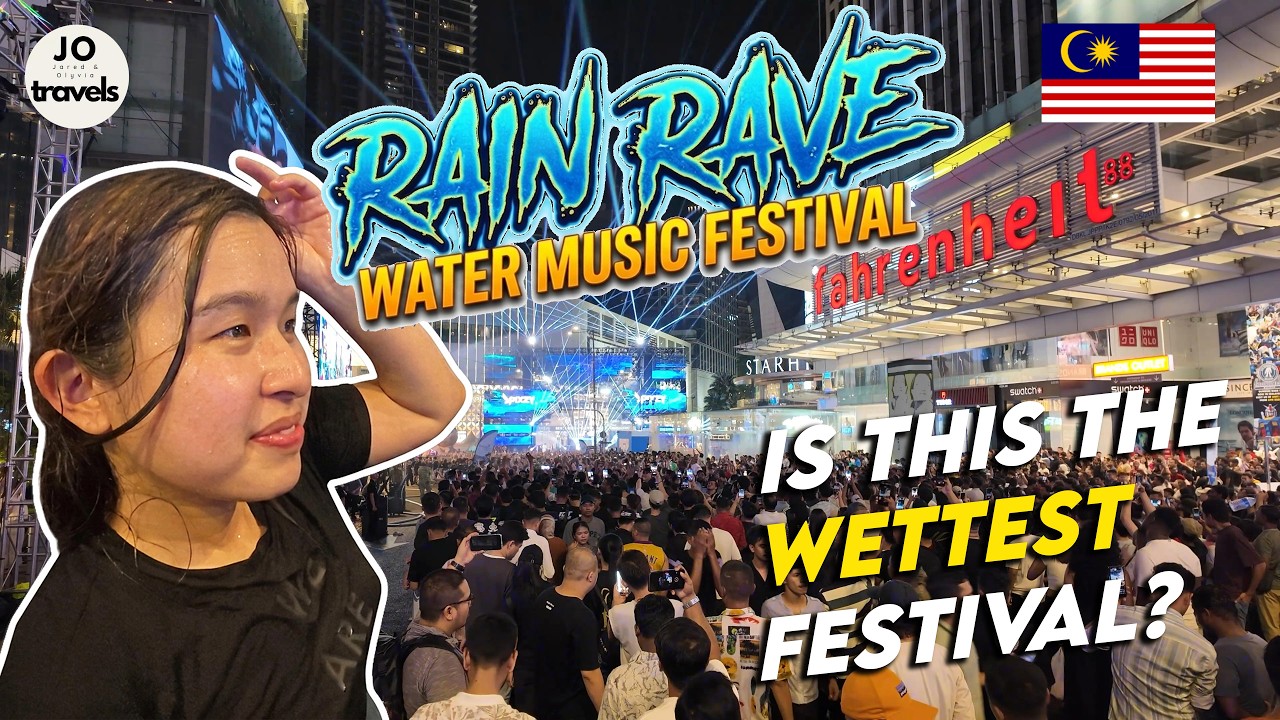
As the water dried on the streets of Bukit Bintang, the debate over the Rain Rave Water Music Festival shows no signs of abating. The festival was undeniably a massive logistical operation and a public spectacle that drew hundreds of thousands of people into the heart of Kuala Lumpur. It succeeded in generating significant global online attention and provided a weekend of entertainment for a large segment of the population. For many, particularly the youth, it was a successful and thrilling event that showcased a modern, vibrant Malaysia.
However, the controversy it ignited exposes a fragile social fabric. The festival was not just a party; it was a symbolic battleground where competing visions of Malaysian identity clashed. The criticisms regarding its authenticity, morality, and economic viability were not merely political posturing; they reflect genuine and deep-seated anxieties among a significant portion of the population who feel their values are being sidelined.
Tourism, Arts and Culture Minister Datuk Seri Tiong King Sing has already signaled his intention to make the Rain Rave a signature annual event. This commitment suggests that the government sees value in the event’s ability to draw crowds and generate publicity, viewing the social and political friction as an acceptable cost of doing business in the modern tourism landscape. For this ambition to succeed without creating further division, a more inclusive dialogue that addresses the concerns of a broader cross-section of Malaysian society will be essential. The future of the Rain Rave, and events like it, will depend not just on the beats of the DJs, but on the nation’s ability to find a more harmonious rhythm to its cultural song.