The landscape of the music industry has undergone a seismic shift over the past decade. While streaming platforms like Spotify and Apple Music have become the primary consumption vehicles for listeners, a quieter, more lucrative revolution has been taking place behind the scenes. This revolution is driven by the soaring revenue from music synchronization licensing, commonly known as “sync licensing.” In 2025 and looking ahead to 2026, the numbers are not just growing; they are shattering previous records, creating a golden era for songwriters, publishers, and record labels alike.
To understand why this sector is booming, we must first strip away the complexity of the term itself. Music sync licensing refers to the legal permission granted to “sync” a piece of music with visual media. This includes everything from Hollywood blockbusters and Netflix series to Super Bowl commercials and viral YouTube videos. It is the heartbeat of advertising, the emotional engine of cinema, and the secret weapon of brand marketing. When you remember a song from a car commercial or feel chills during a pivotal scene in a drama series, that is the power of sync at work. For decades, this was considered a supplementary income stream for artists. Today, it is a primary pillar of financial sustainability.
The recent surge in revenue is not accidental. It is the result of a perfect storm of technological innovation, changing consumer habits, and the proliferation of content platforms. With more content being produced than ever before, the demand for unique, evocative, and diverse soundtracks has exploded. This article will dissect the multifaceted reasons behind the sync revenue boom, explore the key players driving the market, analyze the shifting value of music rights, and offer a comprehensive guide for artists looking to capitalize on this growing opportunity.
The Content Explosion: Why Demand Is at an All-Time High
The primary driver of the sync revenue boom is the sheer volume of visual content being created. We are living in the age of “Peak TV,” where streaming services such as Netflix, Amazon Prime, Disney+, and HBO Max are churning out thousands of hours of original programming annually. However, this is just the tip of the iceberg. Consider the following areas where sync licensing is crucial:
A. The Streaming Wars and Original Programming
The competition between streaming platforms has forced them to differentiate themselves through high-quality production values. Music is a critical component of that quality. A well-placed song can elevate a scene from good to iconic, driving social media engagement and viewer retention. As these platforms expand into global markets, they require localized music for regional programming, further increasing the need for diverse catalogs. This means more sync fees for artists worldwide, from K-pop stars to indie folk bands in Europe.
B. The Rise of Short-Form Video and Social Media
Platforms like Instagram Reels, TikTok, and YouTube Shorts have fundamentally changed how music is discovered. While these platforms often have blanket licensing deals, brands are increasingly using sync licenses for “paid partnerships” and “branded content” to ensure their advertisements are legally compliant and monetizable. Furthermore, viral trends often lead to traditional sync deals, as advertisers rush to license a “trending sound” for their multi-million dollar campaigns.
C. Global Advertising Renaissance
Advertising has moved beyond the 30-second television spot. Today, brands utilize long-form documentaries, mini-series, and interactive commercials that run across digital and traditional media. This “branded entertainment” relies heavily on sync music to tell compelling stories. The budgets for these campaigns are significant, and the fees for licensing a track for a global, multi-platform campaign are astronomical compared to standard mechanical royalties.
D. The Revival of Theatrical Releases
Despite the rise of home streaming, theatrical releases have made a strong comeback. Blockbuster films rely on sync placements for marketing trailers and the final cut of the movie. In 2026, we are seeing a resurgence in musicals and films with heavy soundtracks, driving demand for both original scores and pre-existing recordings.
The Evolution of Sync Fees and Royalties
Understanding the financial mechanics of sync licensing is essential for any artist. Unlike mechanical royalties (which come from physical sales or streams) or performance royalties (from radio or live venues), sync licensing is largely a negotiation-based market. There is no fixed rate; the value of a sync deal depends on the “usage” and “term.” The recent revenue surge is partly because these fees have increased significantly due to competition.
When a production company wants to use a song, they pay a Sync Fee. This fee is separate from the royalty payments. The sync fee is essentially the cost of the “right to use” the song. Subsequently, when the film or commercial airs, it generates Performance Royalties (collected by PROs like ASCAP, BMI, or SOCAN) for public broadcasts and streams. In recent years, the sync fee itself has seen a dramatic uptick. Ten years ago, a song in an indie film might command a few thousand dollars. Today, that same placement could fetch tens of thousands, while a major ad campaign can command six-figure sums.
Key Factors Influencing Sync Value:
-
Territory: A global campaign costs significantly more than a regional one.
-
Media Type: A TV show (broadcast) usually pays more than a streaming service (SVOD), though this is changing as streaming revenues grow.
-
Term Length: A “perpetual” license (lasting forever) costs more than a “limited term” (e.g., 3 years).
-
Exclusivity: An “exclusive” sync (where the song cannot be used by a competitor) commands a premium.
-
Prominence: If the song is featured prominently (e.g., an “opening credits” placement versus background radio in a scene), the fee increases.
How Music Supervisors Are Driving the Market
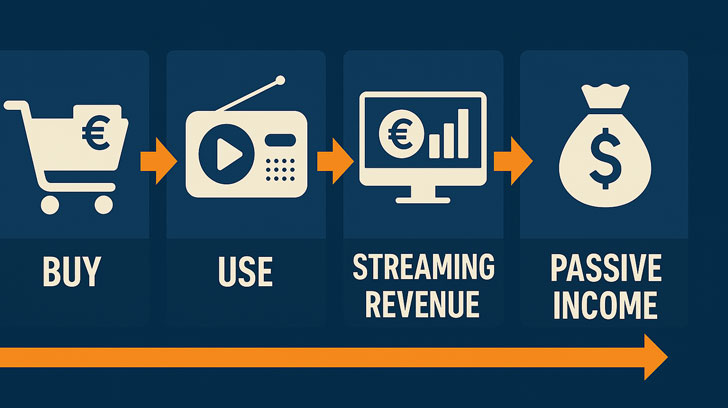
Music Supervisors are the unsung heroes of this ecosystem. They are the executives responsible for selecting the perfect tracks for a scene. Their role has evolved from simply finding “good music” to curating the sonic identity of a project. They are increasingly looking for fresh, undiscovered talent to save on budget and provide a unique feel.
The relationship between publishers and music supervisors has become more professionalized. Libraries of production music (royalty-free or pre-cleared tracks) are no longer the go-to for high-end projects. Instead, supervisors are digging deep into the catalogs of major publishers and indie labels for “needle drops” songs that sound exactly like the current top 40 but are sung by emerging artists. This has created a secondary market where “sound-alikes” are highly lucrative, allowing session musicians and producers to earn substantial sync revenues without needing a massive social media following.
The Role of Technology and Data
Technology has democratized the sync marketplace. Platforms like Songtradr, Musicbed, and Marmoset have created digital marketplaces where filmmakers can easily search for music by “mood,” “tempo,” and “genre.” These platforms handle the legal heavy lifting ensuring the rights are cleared instantly which lowers the barrier to entry for independent filmmakers and allows for faster deal-making.
However, this technological shift also means competition is fierce. The “long tail” of music is now accessible to every content creator. To stand out, artists are investing in high-quality production and metadata. Metadata (the data describing a song, including BPM, key, lyrics, and mood) is arguably as important as the music itself. A song with poor metadata will never be found in a supervisor’s search. The companies that have invested in AI-driven metadata tagging are seeing the highest revenue returns, as they can instantly match songs to specific visual briefs.
The Impact of Legacy Catalogs and “Re-Syncs”
One of the most fascinating trends driving revenue is the “re-sync” of classic songs. Older tracks by artists like Fleetwood Mac, Queen, or The Rolling Stones are being re-licensed for new generations. With the recent boom, these legacy catalogs are being auctioned off to investment firms, and the new rights holders are aggressively marketing these songs for sync placement.
Why are advertisers paying millions for old songs? Nostalgia sells. A track from the 80s or 90s evokes a sense of comfort and familiarity, which is highly effective in marketing. Furthermore, the recent trend of biopics and documentaries about legendary artists includes heavy use of their catalog, driving sync fees. The value of a “Master Recording” in the sync world has never been higher.
A Step-by-Step Guide for Artists to Tap Into Sync Revenue
For independent artists, the sync boom represents a life-changing opportunity. Here is a comprehensive guide to ensuring you are not left out of this revenue surge:
A. Ensure Your Music is Properly Registered
Before you can earn money, you must ensure you own your rights. If you have a traditional publishing deal, your publisher handles this. If you are independent, you need to:
-
Register your songs with a Performance Rights Organization (PRO).
-
Register your copyright with the U.S. Copyright Office (or equivalent in your country).
-
Clearly define splits between co-writers and producers. Supervisors will often avoid a song if the rights are “messy” or require multiple permissions.
B. Separate the Master and the Composition
Understand the difference between the Songwriter’s share (composition) and the Master rights (recording). If you wrote a song but it was recorded by a band you are no longer part of, you only control the composition unless you own the master. In the sync world, it is highly beneficial to own both. If you are a producer, ensure you are credited as a “Master Owner” to collect the bulk of the sync fee.
C. Invest in High-Quality Production and stems
Modern trailers and commercials often require “instrumental versions,” “stripped versions,” or “stems” (individual tracks like drums, bass, vocals). If you provide these to the sync agent, you make it easier for the editor to mix your music into the scene. Offer “TV Track” versions (no lead vocals) alongside your full vocal mixes.
D. Create a Mood-Based Press Kit
Instead of just sending a link to your Spotify page, create a specific “Sync Reel.” This is a short video montage set to your music, or simply a PDF folder that categorizes your songs by emotion: “Uplifting,” “Dark,” “Romantic,” “Driving.” This makes the supervisor’s job easier and increases your chance of being selected.
E. Utilize Sync Licensing Platforms
Platforms such as Musicbed, Artlist, and Epidemic Sound are great for certain projects, but to get the “premium” sync deals, you often need a sync agent or library that pitches directly to ad agencies. Research and pitch your music to boutique sync libraries that specialize in your specific genre. A library can take a percentage (usually 20-50%), but they provide access to briefs you would never see otherwise.
F. Pitching and Networking
Music supervisors are inundated with demos. Your pitch must be concise and targeted. If you know a movie is set in the 1970s, pitch your retro-sounding tracks. If a commercial is about “summer freedom,” pitch your upbeat indie rock. Follow up, but be respectful of their time.
G. Understanding the Importance of “Work for Hire” and “Custom Music”
Sometimes, the biggest sync revenues come from “custom” or “original” sync deals, where you are hired to write a song specifically for a trailer. This often pays a higher upfront fee because the client owns the song outright or has a very restrictive license. While it removes your ongoing royalty claim, the upfront payment can be substantial, and the exposure can boost your streaming numbers exponentially.
H. The “Sleeping Giant” of Video Games
Video game soundtracks are a massive part of the sync industry. Games like Grand Theft Auto or FIFA have introduced millions to new music. Unlike film, games have a longer lifespan, often generating years of royalties. As gaming expands into VR and AR, the demand for immersive soundtracks is expected to triple.
Predicting the Future: What Comes Next?
As we look to the future, the sync industry is predicted to surpass the $1 billion mark in the US alone by 2027. But what are the trends shaping this growth?
-
Artificial Intelligence and Personalization: We will see a rise in “adaptive music” for gaming, where the soundtrack changes based on the player’s decisions. This requires massive amounts of composition and increases sync opportunities.
-
Spatial Audio: With the rise of Dolby Atmos and immersive audio, sync deals are now requiring “spatial” mixes. Songs mixed in Atmos command a higher sync fee due to the technical skill required to produce them.
-
Direct-to-Consumer Brands: More brands are becoming “media companies.” They are producing their own content, bypassing traditional advertising agencies. This means they are directly licensing music from artists, cutting out the “middleman” fees and possibly offering better splits to the artist.
-
The Metaverse: While still in its infancy, the Metaverse (virtual worlds) will require soundtracks for virtual events, commercials within the game, and background ambiance. This is a completely new frontier for sync licensing.
The “Double-Edged Sword” of Exclusive Deals
While the revenue is soaring, artists must be cautious. Exclusive sync deals can be lucrative, but they can also be restrictive. Signing an exclusive deal with a single agency means you cannot license that song elsewhere. If the agency fails to sell your song, you have lost potential income from other sources. It is often better for emerging artists to sign “Non-Exclusive” agreements with multiple libraries. This allows your song to be pitched across multiple sectors, maximizing the chance of a sale.
However, when it comes to huge ad campaigns, exclusivity is the only option. If a global soda brand uses your song, they want to lock it down. You need a lawyer to review these contracts to ensure you are not signing away your rights forever. “Reversion Clauses” (which return your rights to you after a certain period) are essential.
The Importance of Brand Alignment
An often-overlooked aspect of sync is “brand alignment.” If a song sounds “too sad,” a car company selling SUVs won’t use it. If a song has profanity, it’s unlikely to be used for a family-friendly tourism commercial. Artists who succeed in sync are those who can detach themselves from their personal artistic ego and view their music as a product. They are willing to edit their songs to fit a 30-second slot, removing bridges or verses to allow the chorus to hit harder in the visual moment.
Overcoming the Challenges
Despite the revenue surge, the sync market is not without its challenges. The demand for “pre-cleared” music means that if your samples are not cleared, you are legally useless to a supervisor. Clearing samples is expensive and time-consuming, which often leads supervisors to pass on the track. Therefore, artists making sample-based music must ensure they either use royalty-free samples or are prepared to pay for clearance.
Additionally, the rise of “production music” (royalty-free) is a threat to the premium market. While it doesn’t compete with a Billie Eilish track, it does compete with the “mid-tier” artist. To survive, artists must offer unique value. The personal story behind the song can be the difference-maker. A sync supervisor often pitches a song to a client by explaining the “story” of the artist. Having a compelling narrative can add immense value.
Conclusion
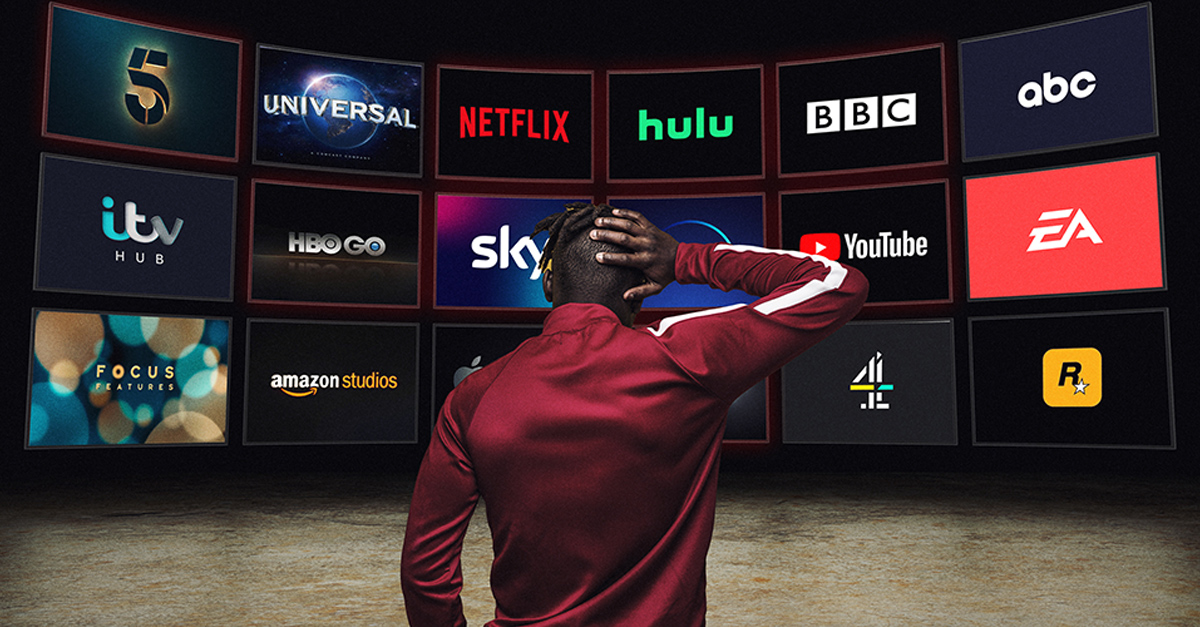
The surge in music sync licensing revenue is a testament to the enduring power of music in visual storytelling. As the content ecosystem becomes more saturated and brands fight harder for consumer attention, the value of the perfect song increases exponentially. For the music industry, this is a beautiful opportunity to diversify income away from the pennies of streaming and toward the lucrative dollars of visual media.
The future is bright for sync licensing. We are witnessing a paradigm shift where music is no longer an afterthought in film and TV; it is a core strategic asset. Whether you are a major label executive, an indie pop artist, or a producer working from a bedroom studio, the opportunities are vast. By understanding the mechanics, investing in high-quality production, and engaging with the right networks, artists can unlock a significant new revenue stream that promises to grow well into the next decade.
In conclusion, the data is clear, the trends are positive, and the money is flowing. The only question that remains is: Are you ready to sync?