The global music industry has witnessed a remarkable shift in recent years, with diverse sounds and cultural influences breaking through traditional barriers. Among the most significant developments is the growing recognition of Indonesian music on the international stage, particularly in Japan, a nation renowned for its rich musical heritage and sophisticated music industry. The recent achievements of Indonesian musicians at the Music Awards Japan have underscored this trend, marking a moment of immense pride for the archipelago nation and signaling a new era of cultural exchange.
A Historic Win: Hindia’s Triumph
In a moment that resonated across both nations, Indonesian musician Hindia, whose real name is Baskara Putra, secured a prestigious Special Award at the Music Awards Japan 2026 . The ceremony, held on June 13, 2026, at the Toyota Arena in Tokyo, was a star-studded event that brought together the biggest names in the music industry across Asia and beyond . Hindia was honored in the “Indonesian Popular Music” category, an accolade that specifically acknowledges artists who have made significant contributions to the genre and have demonstrated growing influence both domestically and internationally.
Hindia’s winning track, “Everything U Are,” was performed with captivating energy during the globally broadcast award ceremony . The performance was not merely a musical interlude but a carefully crafted presentation featuring Japanese-language lyric visuals displayed across the grand SGC Hall Ariake stage. This thoughtful inclusion highlighted the cultural bridge that music can build between Indonesia and Japan, making the performance more accessible and resonant with the Japanese audience . In addition to “Everything U Are,” Hindia is also widely recognized for his hit song “Cincin,” which has garnered a massive following in Indonesia . His signature style, which often explores themes of love, anxiety, identity, and the complexities of modern life, has struck a deep chord with a generation navigating rapid societal changes .
The recognition was not just a personal victory for Hindia but also a testament to the evolving landscape of global music. During the event, Hindia expressed his gratitude and admitted that the experience felt “surreal,” a sentiment shared by many of his fans and fellow musicians back home . He stated, “I never thought I would be here, for sure,” encapsulating the profound surprise and joy of achieving such a milestone on an international platform .
Collaborative Spirit in Osaka and Tokyo
The celebration of Indonesian music in Japan extended beyond the formal awards ceremony. Prior to the main event, Hindia participated in a series of collaborative concerts designed to foster cross-cultural friendships and artistic exchanges. These concerts were held in two of Japan’s most vibrant cities: Tokyo and Osaka .
In Tokyo, the collaborative concert was held at the duo MUSIC EXCHANGE venue in Shibuya, a district synonymous with youth culture and cutting-edge music . The performance was a resounding success, selling out all tickets and drawing a crowd of more than 600 enthusiastic attendees . The audience was treated to dynamic musical collaborations that saw Indonesian and Japanese musicians blending their talents in a harmonious display of unity . The sold-out show was more than a concert; it was a cultural phenomenon that demonstrated the appetite for diverse musical experiences in Japan’s highly competitive music market.
The collaborative spirit continued in Osaka at the BIGCAT venue, a well-known live house that has hosted countless international acts . The audience response mirrored the enthusiasm seen in Tokyo, with a palpable energy filling the room as musicians from different backgrounds played together on a single stage . These performances were a key part of the program organized by Music Awards Japan 2026, showcasing the event’s commitment to connecting artists and fans across borders . They served as a powerful reminder that music, at its core, is a universal language capable of uniting people beyond cultural and linguistic divides.
Diplomatic Support for a Cultural Mission
The success of Hindia’s mission in Japan was observed and supported by the Indonesian Embassy (KBRI) in Tokyo. Muhammad Al Aula, the Coordinator for Information and Socio-Cultural Affairs at the embassy, attended Hindia’s performance in Shibuya and extended his official congratulations .
Al Aula’s statement highlighted the significance of the achievement, framing it as “clear proof of the quality of Indonesian music that can adapt globally” . He also acknowledged the nomination of “Tabola Bale” by Silet Open Up in the Best Song Asia category, further emphasizing that this was a collective success for the Indonesian music industry . The diplomat reaffirmed the embassy’s commitment to fully supporting “the dissemination and expansion of Indonesian music in the Japanese market” . This diplomatic backing underscores the role of cultural exchange in strengthening bilateral relations and soft power. By nurturing and promoting its artistic talents, Indonesia is not only enriching the global cultural landscape but also building bridges of understanding and mutual respect between nations.
The Significance of the Music Awards Japan
The Music Awards Japan (MAJ) has quickly become one of the most significant events in the Asian music calendar. Organized by CEIPA, a coalition of major Japanese music associations, the awards are designed to spotlight musical excellence across the region . The 2026 ceremony carried the theme “Connecting the World, Lighting the Future of Music,” reflecting a vision that transcends national borders and aims to create a more interconnected global music industry . This vision was realized in the Grand Ceremony, which featured a dazzling array of performances from top-tier artists.
The event saw Japanese artists continue to dominate the mainstream categories. Mrs. Green Apple took home the coveted Best Artist award, while Sakanaction won Song of the Year for “Kaiju” . Kenshi Yonezu was another major winner, with his song “Iris Out” winning multiple international categories . However, the inclusion of a Special Award specifically for Indonesian Popular Music, and the nomination of a song from another Indonesian artist in the Best Song Asia category, signals a significant step towards inclusivity and recognition of the broader Asian music scene. The awards are determined through voting by around 5,000 music industry professionals, ensuring that the winners have truly resonated with those who shape the industry’s direction . To ensure fairness, the selection process was audited by independent firm Deloitte Touche Tohmatsu LLC, lending credibility and integrity to the outcomes .
A Stepping Stone for Future Collaborations
The recognition at the Music Awards Japan 2026 is not an isolated event but part of a growing trend of Indonesian music making waves internationally. It serves as a powerful motivation for other Indonesian musicians to strive for excellence and think beyond domestic markets. The achievement is expected to strengthen the presence of Indonesia’s creative industry internationally . It also supports closer people-to-people relations between Indonesian and Japanese youth, creating a generation of cultural ambassadors who share a common appreciation for music.
The path to global recognition is often paved with challenges, but the success of Hindia demonstrates that Indonesian music has the quality, depth, and global appeal to compete on the world stage. His lyrical themes, which often touch on universal human experiences, have an inherent translatability that allows them to connect with listeners in Japan, Asia, and beyond.
Looking Ahead: The Future of Indonesian Music
The road to global dominance in the music industry is long and complex, but these successes represent vital milestones. By securing such prestigious recognition and building bridges through collaborative performances, Indonesian musicians are making a powerful statement: the world is ready for their music.
A. The Strength of Collaborative Concerts: The sold-out shows in Tokyo and Osaka demonstrated that there is a substantial and eager audience for international music in Japan. These concerts were not just performances; they were cultural exchanges that built lasting relationships between artists and fans . The enthusiasm displayed by audiences in both cities suggests a bright future for collaborative projects and live performances that bring together talent from diverse backgrounds.
B. The Role of Government Support: The involvement of the Indonesian Embassy highlights the importance of government backing in facilitating the expansion of cultural products . As the embassy has committed, continued support for the dissemination of Indonesian music is crucial. This can take the form of financial support for tours, logistical assistance, or diplomatic efforts to create more opportunities for artists in foreign markets.
C. Building on the Momentum: With this victory, Hindia and other Indonesian artists are now equipped with the credibility and exposure to pursue further international collaborations. The songwriting workshops he participated in alongside Japanese musicians and other international artists provide a fertile ground for future projects that could blend the unique sounds of Indonesia with those of other nations .
Indonesian Music in the Global Context

The achievement of Hindia at the Music Awards Japan 2026 should be viewed within the larger context of Southeast Asian and Asian music’s rise in global popularity. The Asian music market is vast and diverse, but it has historically been dominated by a few major players. The success of Indonesian artists like Hindia and the nomination of Silet Open Up’s “Tabola Bale” represent a decentralization of influence, where new voices and vibrant musical traditions are finally receiving the recognition they deserve .
Furthermore, this recognition reflects the changing face of global music consumption. With the advent of streaming services and social media platforms, fans are more empowered than ever to discover music from around the world. Music is no longer confined by geographic boundaries, allowing artists from Indonesia to reach audiences in Japan, Europe, and the Americas more easily than ever before. The visual presentation of “Everything U Are” with Japanese lyrics during the award ceremony was a strategic decision that catered to this new globalized audience .
Conclusion
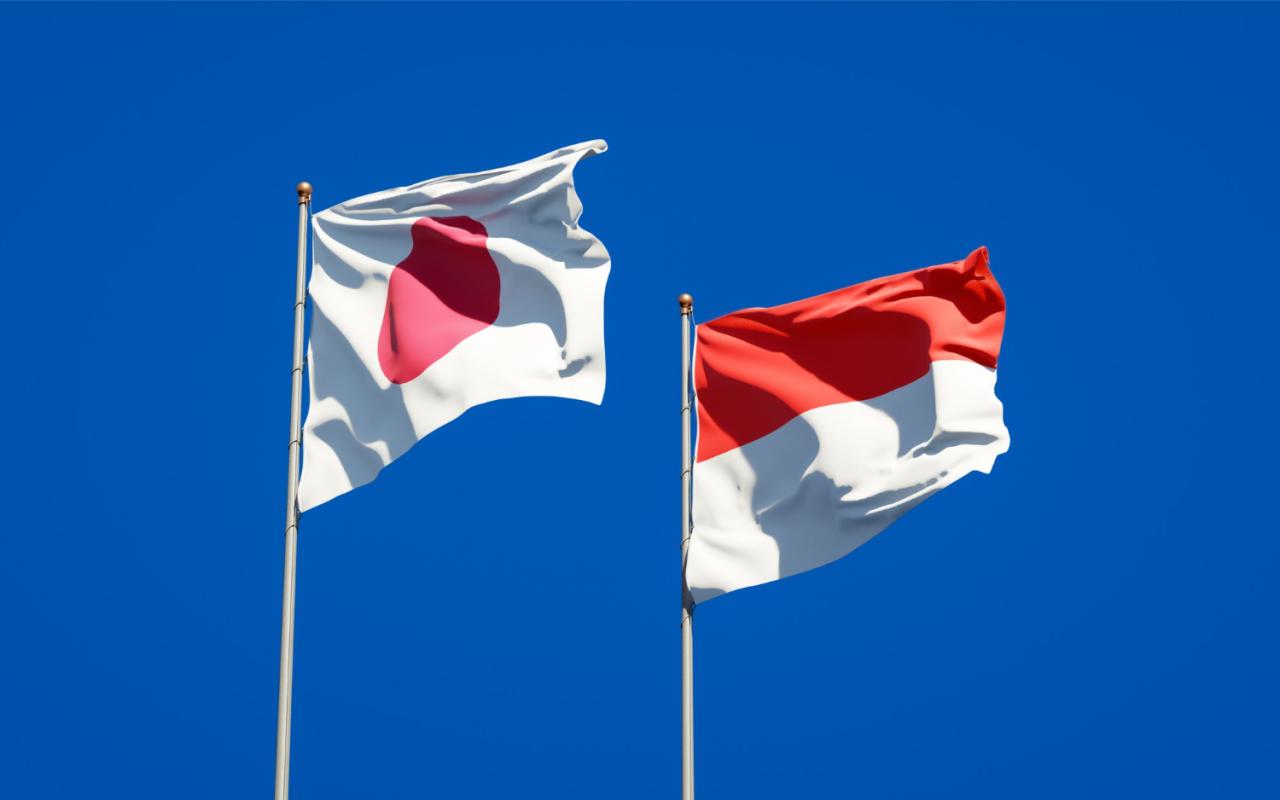
The success of Hindia at the Music Awards Japan 2026 is a historic moment for Indonesian music. His Special Award win, the sold-out collaborative concerts in Tokyo and Osaka, and the strong support from the Indonesian Embassy are all indicators that Indonesian music has firmly arrived on the international stage. This achievement is a powerful testament to the talent, creativity, and adaptability of Indonesian musicians.
As the global music industry continues to evolve, the presence of diverse voices becomes increasingly vital. Indonesia, with its rich cultural tapestry and vibrant musical landscape, is poised to be a significant contributor to this new world order. Hindia’s journey from Jakarta to winning a Special Award in Tokyo is not just his personal triumph; it is a victory for the entire Indonesian creative community.
The stage is now set for a new generation of Indonesian musicians to look at the global market as a viable and exciting frontier. With the support of diplomatic missions, industry bodies, and an ever-enthusiastic fan base, the sound of Indonesia is poised to resonate further across the globe.