The music industry has witnessed a remarkable transformation over the past decade, with a growing number of artists deliberately stripping back their productions to embrace raw vocals and acoustic instrumentation. This movement represents a significant departure from the heavily processed, digitally-enhanced sound that dominated the early 2000s and 2010s. As streaming platforms continue to reshape how listeners consume music, artists are discovering that authenticity and vulnerability often resonate more deeply with audiences than polished perfection. This shift toward minimalism in music production reflects broader cultural trends favoring genuineness over artificiality across all forms of media and entertainment.
The Historical Context of Music Production
To fully understand the current movement toward raw vocals and acoustic arrangements, we must examine the evolution of recording techniques throughout the twentieth century. The early days of recording featured naturally raw performances, simply because technology could not accommodate extensive manipulation. Singers stood before large horn microphones, delivering complete performances without the luxury of multiple takes or pitch correction. The 1950s and 1960s brought multi-track recording, allowing producers to layer instruments and vocals, but the overall aesthetic remained relatively organic.
The 1980s introduced digital recording technology, synthesizers, and drum machines, creating a stark contrast to the acoustic sounds of previous decades. The 1990s saw the rise of hyper-produced pop and rock albums, with artists like Michael Jackson and Madonna setting new standards for sonic perfection. By the early 2000s, Auto-Tune became ubiquitous across genres, from hip-hop to country music. This reliance on technology reached its peak with the “loudness war,” where producers aggressively compressed audio to achieve maximum volume, often at the expense of dynamic range and emotional nuance. The current return to raw acoustics represents a corrective response to these decades of increasing artificiality.
Why Artists Are Embracing Authenticity
The contemporary shift toward raw vocals and acoustic instrumentation stems from multiple interconnected factors that have reshaped the music industry landscape. Understanding these motivations provides insight into why this trend has gained such momentum across diverse genres and artist demographics.
A. Audience Fatigue with Overproduction – Modern listeners have developed sophisticated ears, capable of recognizing when a performance has been excessively manipulated. Years of heavily processed vocals and synthetic instrumentation have created a hunger for something genuine. Audiences increasingly value the human element in music, including the subtle imperfections that make each performance unique.
B. The Impact of Live Performance Culture – The explosion of intimate venue shows, living room concerts, and stripped-down festival performances has demonstrated that raw arrangements can captivate audiences without elaborate production. Artists have realized that if a song cannot stand on its own with just vocals and an acoustic instrument, it may not be structurally sound to begin with.
C. Social Media’s Demand for Authenticity – Platforms like YouTube, Instagram, and TikTok have normalized unpolished, spontaneous content. Listeners have become accustomed to seeing artists perform from their homes, in casual settings, and in intimate environments. This visual context reinforces the value of raw, unfiltered musical expression.
D. Cost-Effective Production – Major label budgets have contracted significantly in the streaming era, making expensive studio sessions less feasible. Acoustic arrangements and raw vocals require fewer production elements, fewer studio musicians, and less mixing time. Independent artists have embraced this cost-effective approach while major labels recognize its financial advantages.
E. Songwriting Integrity – Many artists report that when they strip away production layers, the core songwriting becomes more apparent. This transparency forces them to write stronger melodies, more meaningful lyrics, and more compelling harmonic structures. The rawness exposes weaknesses but also reveals strengths that might otherwise remain hidden.
F. Connection to Musical Heritage – Acoustic instrumentation connects contemporary artists to centuries of musical tradition. The guitar, piano, and human voice have been the primary vehicles for musical expression throughout human history. Returning to these fundamentals creates a sense of continuity and timelessness.
The Technical Aspects of Raw Vocal Recording
Recording raw vocals requires a fundamentally different approach than modern studio practices. The technical considerations shape not only how the vocal sounds but also how the performer delivers the material.
Acoustic Environment – Raw vocal recordings demand careful attention to room acoustics. Professional studios use live rooms with controlled reverberation, while home recordings often require acoustic treatment to prevent unwanted reflections. The space itself becomes part of the sonic signature, with churches offering natural reverb and small rooms providing intimate presence.
Microphone Selection – Different microphones capture the voice in distinctly different ways. Condenser microphones provide detailed frequency response, while ribbon microphones offer a warmer, more forgiving character. Dynamic microphones handle loud passages without distortion. Artists experimenting with raw vocals often choose microphones that flatter their particular vocal characteristics rather than the hyper-detailed sound favored in commercial pop.
Minimal Processing – When engineers commit to raw vocals, they significantly reduce or eliminate common production techniques. Compression is applied sparingly or not at all, allowing dynamic variations to remain intact. Equalization is used subtly, primarily to remove problematic frequencies rather than enhance specific characteristics. The vocal chain might include only a high-pass filter and perhaps a small amount of compression to control occasional peaks.
Performance Considerations – Singers approaching raw recordings must adjust their technique accordingly. Without extensive compression, they must maintain consistent distance from the microphone and manage breath control more carefully. The absence of pitch correction means they must deliver accurate performances, though slight imperfections often add character. Many artists find this performance pressure liberating, as it encourages them to focus on emotional expression rather than technical precision.
Acoustic Instrumentation in Modern Production
Acoustic instruments bring unique qualities to recordings that synthesized or sampled sounds cannot replicate. The organic nature of these instruments adds depth, warmth, and humanity to productions.
Acoustic Guitars – The steel-string acoustic guitar provides brightness and projection, while nylon-string classical guitars offer warmth and mellowness. Different picking styles, fingerpicking versus strumming, create entirely different textures. The choice of guitar body size, wood selection, and string gauge all affect the instrument’s contribution to a recording.
Pianos and Keyboards – Grand pianos, upright pianos, and Rhodes electric pianos each provide distinct tonal characteristics. The piano’s ability to play both melody and harmony simultaneously makes it invaluable for stripped-down arrangements. Raw piano recordings preserve the instrument’s natural dynamics, from delicate pianissimo passages to powerful fortissimo sections.
Percussion – Acoustic drums, hand percussion, and auxiliary instruments like shakers and tambourines add rhythmic interest without overwhelming the arrangement. Brushes on drums create a softer sound, while sticks produce more attack. The choice of cymbals, drum sizes, and tuning all contribute to the overall acoustic texture.
String Instruments – Violins, cellos, and double basses add warmth and emotional depth. These instruments can provide sustained notes, melodic lines, or rhythmic accompaniment. Their ability to produce vibrato and dynamic swells makes them particularly effective in raw acoustic settings.
Woodwind and Brass – Flutes, clarinets, saxophones, and trumpets appear less frequently in acoustic settings but can provide distinctive color when employed tastefully. Their timbre adds variety to arrangements dominated by guitar and piano.
The Role of Vocal Production in Acoustic Music
Vocal production in acoustic settings differs significantly from commercial approaches. Producers and engineers must prioritize different elements to achieve the desired raw aesthetic.
Mic Placement – The distance between singer and microphone dramatically affects the recording. Close placement, typically six to twelve inches, emphasizes bass frequencies through the proximity effect and creates an intimate sound. Greater distances, two to three feet, reduce bass and capture more room ambience. Many raw recordings employ a moderate distance that balances intimacy with natural frequency response.
Room Sound – The acoustic environment becomes more prominent in raw productions. Natural room reverb, if pleasant, can add dimension without artificial processing. Some engineers intentionally use rooms with distinct characteristics, such as tiled bathrooms for tight slap-back echo or large halls for expansive reverb.
Vocal Harmonies – Acoustic recordings often feature layered vocal harmonies performed by the lead singer or other vocalists. These harmonies, when tracked live or overdubbed, add richness without the need for additional instruments. Some artists record harmonies with less precision to achieve a more natural, choir-like quality.
Breath and Articulation – Raw recordings preserve the natural sounds of breathing, mouth movements, and vocal articulation. These elements, often edited out of mainstream productions, contribute authenticity and remind listeners they are hearing a human performance.
Notable Artists Championing the Movement
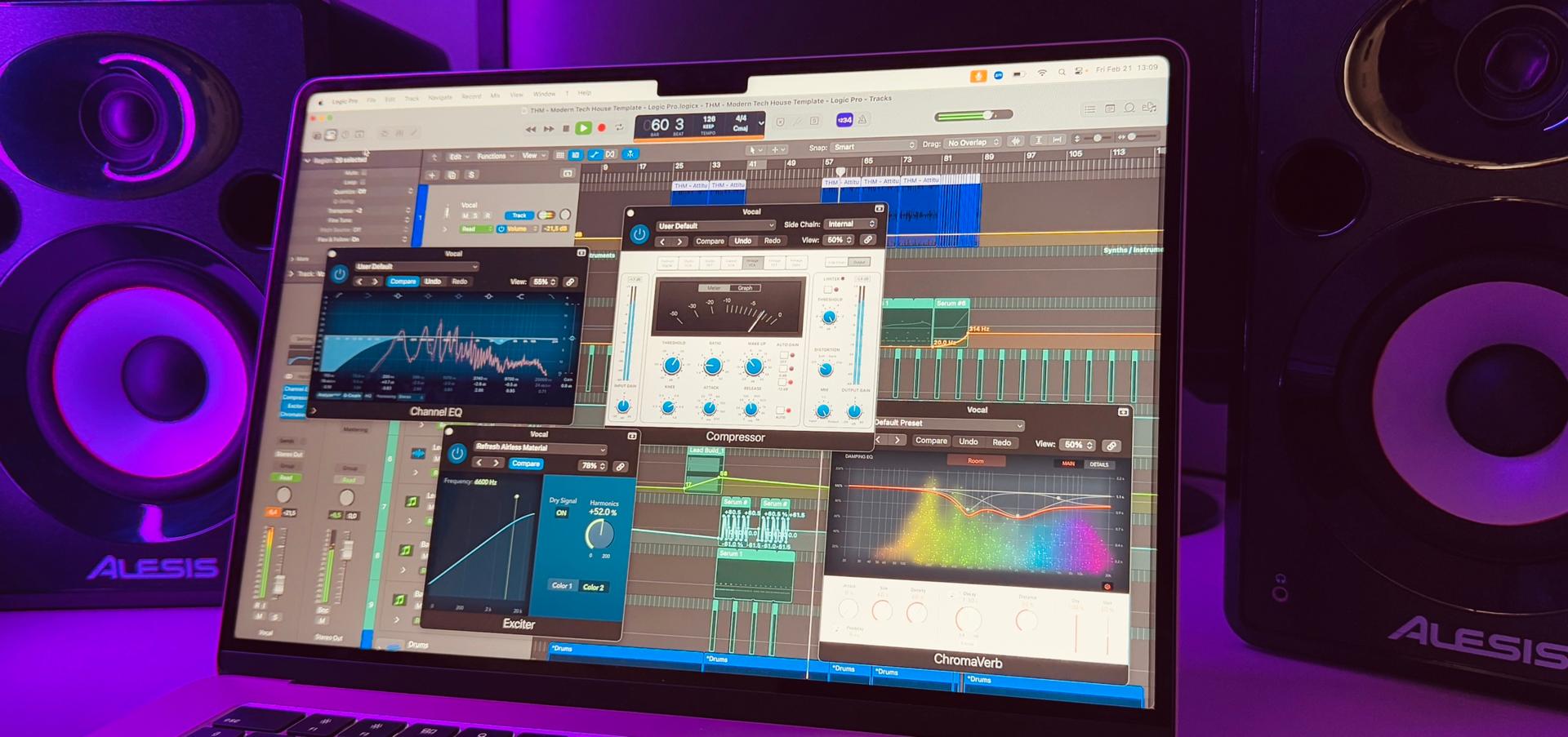
The raw acoustic movement has attracted artists across genres, from established veterans to emerging independents.
Bon Iver – Justin Vernon’s early work, particularly his self-recorded album “For Emma, Forever Ago,” demonstrated the power of raw vocals and minimal instrumentation. Recorded in a remote Wisconsin cabin, the album’s intimate production inspired countless artists to embrace similar approaches.
Mumford & Sons – This British band popularized modern folk-rock with their emphasis on acoustic instruments and emotional vocals. Their banjo-driven arrangements and passionate delivery connected with audiences worldwide, proving that acoustic music could achieve mainstream success.
Billie Eilish – Along with her brother Finneas, Eilish has become known for intimate, whisper-style vocals that feel remarkably close to the listener. Their approach employs minimal processing and intentionally preserves breathing and mouth sounds, creating an immersive listening experience.
Hozier – His gospel-influenced vocals and acoustic-based arrangements demonstrate how raw elements can support powerful, technically impressive singing. His approach bridges traditional acoustic music with contemporary pop sensibility.
The Lumineers – This folk-rock band emphasizes acoustic guitars, piano, and raw vocals in their recordings. Their ability to create stadium-ready songs with minimal production elements has inspired many independent artists.
Taylor Swift – Swift has alternated between heavily produced pop albums and more acoustic-focused projects. Her “Folklore” and “Evermore” albums featured more organic arrangements, coinciding with a broader career shift toward songwriter authenticity.
Jacob Collier – While known for complex arrangements, Collier frequently creates stripped-down performances that highlight his extraordinary vocal abilities. His raw vocal recordings demonstrate how technical mastery can coexist with vulnerability.
Maggie Rogers – Her album “Heard It in a Past Life” blends organic instrumentation with contemporary production, demonstrating how raw elements can integrate with modern techniques.
Ed Sheeran – Sheeran’s early career was built entirely on loop pedal performances combining acoustic guitar and raw vocals. His success proved that audiences would embrace minimal arrangements with compelling songwriting.
Norah Jones – Her debut album “Come Away with Me” established a template for intimate, acoustic-based jazz-pop that still influences artists today.
Technology’s Influence on the Trend
Ironically, advanced technology has enabled the return to raw acoustics by making high-quality recording accessible to everyone. The democratization of recording tools has allowed artists to create professional-sounding recordings without massive budgets or major label support.
High-Quality Home Recording – Affordable audio interfaces, studio-quality condenser microphones, and powerful digital audio workstations have brought professional recording capabilities into bedrooms and home studios. Artists can now capture pristine recordings in comfortable environments without the pressure of expensive studio time.
Mobile Recording Capabilities – Smartphones and tablets now include microphones capable of capturing quality recordings. These tools allow artists to capture inspiration instantly, preserving raw performances that might otherwise be lost.
Online Collaboration – Artists can collaborate remotely, sharing raw vocal and acoustic tracks across geographic boundaries. This flexibility has expanded creative possibilities while maintaining the acoustic aesthetic.
Streaming Platform Preferences – Streaming services have embraced acoustic playlists and curated collections of raw performances. This algorithmic promotion has created new audiences for artists exploring acoustic territory.
Social Media Performance – Platforms like TikTok and Instagram have normalized casual, home-recorded performances. Artists who embrace this aesthetic on social media often carry it into their professional recordings.
Challenges and Criticisms
Despite its popularity, the raw acoustic movement faces valid criticism and presents genuine challenges for artists considering this approach.
Production Quality Concerns – Raw recordings require even higher recording quality than produced material. Without layers of effects to mask imperfections, issues like room noise, microphone distortion, and performance flaws become immediately apparent.
Commercial Viability – Not all artists can successfully transition to raw acoustic sound. Some performers rely on production elements to compensate for limited vocal ability or weak songwriting. Removing these elements exposes weaknesses that might harm commercial prospects.
Listener Expectations – Audiences accustomed to polished productions may find raw recordings jarring or unprofessional. Some listeners interpret minimal production as laziness or lack of effort, rather than intentional artistic choice.
Genre Limitations – Certain genres, such as electronic music, heavy metal, and some forms of hip-hop, do not naturally lend themselves to raw acoustic treatment. Artists in these genres must carefully consider whether stripped-down approaches serve their creative vision.
Creative Constraints – While limitations can spark creativity, some artists find raw acoustic arrangements creatively stifling. The absence of production tools may limit their ability to fully realize ambitious musical visions.
Production Techniques for Raw Acoustic Recordings
Creating effective raw acoustic recordings requires specific technical approaches that differ from mainstream production methods.
Pre-Production Preparation – Artists must thoroughly rehearse material before recording, as raw recordings leave little room for editing or correction. Arrangements need careful consideration, ensuring each instrument and vocal part serves the song.
Multiple Takes – Recording multiple takes provides material for comping, though raw producers typically use fewer comps than commercial producers. The goal remains capturing a complete, honest performance rather than constructing a perfect composite.
Level Setting – Proper gain staging prevents distortion while maximizing signal-to-noise ratio. Raw recordings require careful attention to levels, as dynamic range remains intact throughout production.
Minimal Effects – The raw aesthetic typically employs only essential effects: subtle reverb for sense of space, minimal compression for level control, and tasteful equalization to address frequency issues.
Careful Editing – While raw recordings avoid extensive editing, producers may perform subtle edits: removing obvious noise, trimming silence, and occasionally adjusting timing for rhythmic cohesion.
The Psychological Impact on Performers
The shift to raw vocals affects artists psychologically, often influencing their creative process and relationship with their craft.
Increased Vulnerability – Raw recordings expose artists emotionally. Without production layers to hide behind, they must confront their performances honestly. This vulnerability often translates into more genuine emotional connection with listeners.
Performance Anxiety – Some artists experience increased pressure when recording raw material, knowing that every nuance will be audible. This anxiety can either enhance or hinder performance, depending on the individual.
Artistic Growth – Many artists report that working with raw arrangements has improved their vocal technique and songwriting abilities. The requirement to perform without reliance on production tools often accelerates artistic development.
Renewed Inspiration – Stripping back production can revitalize creative energy, helping artists reconnect with the fundamental joy of making music.
Future Directions
The raw acoustic movement continues to evolve, suggesting several potential trajectories for the future.
Hybrid Approaches – Artists increasingly blend raw vocal performances with subtle electronic elements, creating unique hybrids that retain organic vocal quality while benefiting from production sophistication.
Technical Innovation – New microphone technologies and recording techniques continue to improve raw vocal capture, making high-quality acoustic recordings increasingly accessible.
Genre Expansion – Acoustic approaches continue spreading across genres, with hip-hop artists incorporating live instrumentation and rock bands exploring more organic production.
Live Performance Integration – The raw aesthetic influences live performance, with artists seeking to recreate intimate recording experiences in concert settings.
Conclusion

The movement toward raw vocals and acoustic instrumentation represents more than a passing trend. It signals a fundamental shift in how artists and audiences value musical authenticity in an increasingly digital world. As production technology has become more sophisticated, ironically enabling simpler approaches, artists have recognized the power of vulnerability and honesty in their recordings. The ability to connect with listeners through unvarnished vocal performances and organic instruments offers a counterpoint to the artificial perfection that has dominated commercial music.
This return to roots benefits both artists and audiences. Performers develop stronger songwriting and technique while creating work that feels genuine. Listeners receive music that respects their intelligence and emotional capacity, offering experiences that transcend simple entertainment. The raw acoustic aesthetic will likely continue evolving, incorporating new technologies and approaches while maintaining its core commitment to authentic musical expression.
For aspiring artists, this movement presents both opportunities and challenges. The democratization of recording technology has removed barriers to entry, allowing anyone with talent and dedication to create professional-quality recordings. However, the increased transparency also demands higher levels of musicianship and artistic integrity. Artists who embrace this challenge will find themselves part of a rich tradition that values human expression over technical manipulation.
The enduring appeal of raw vocals and acoustic instrumentation speaks to something fundamental about music itself. While production techniques may change and technologies evolve, the human voice and acoustic instruments remain the most direct channels for musical communication. The current movement honors this truth, reminding us that at the heart of every great recording lies a human being expressing something meaningful through sound.